

How strain gauge strip sensors from Intercomp became the backbone of direct enforcement in Kazakhstan
Intercomp – ITS European Congress Istanbul – Booth G18
In recent years, Kazakhstan has emerged as a leader in deploying high-speed weigh-in-motion (HS-WIM) systems for direct enforcement of truck weight regulations. This achievement was not accidental. It resulted from careful planning, rigorous testing and reliable technology. Central to this success was the decision to use strain gauge strip sensors as the primary weighing solution.
A commitment to accuracy
Kazakhstan faced a pressing challenge: protecting its road infrastructure from damage caused by overloaded trucks while ensuring enforcement remained fair and non-disruptive. With harsh environmental conditions and temperature fluctuations throughout the year, any deployed technology had to maintain high accuracy and long-term stability.
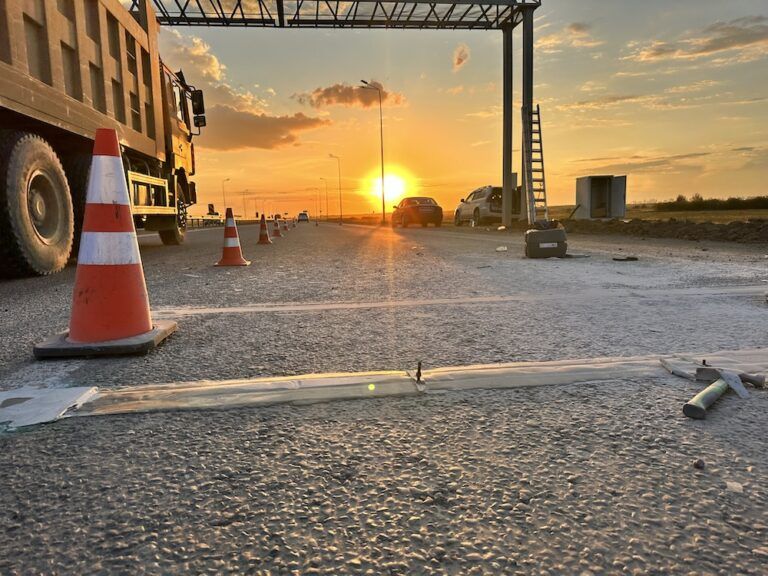
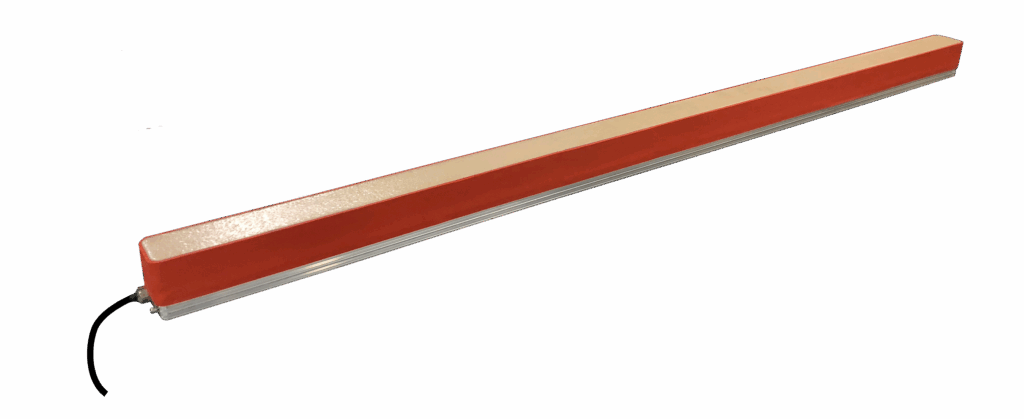
After evaluating multiple sensor options, authorities selected strain gauge strip sensors from Intercomp. These sensors are recognised for their stability and minimal need for recalibration, making them well suited for continuous, large-scale highway operation. The system underwent comprehensive testing by the Kazakhstan Institute of Standardization and Metrology, which certified its compliance with national measurement standards. Certification confirmed that the technology could deliver consistent, reliable data – a prerequisite for lawful, dispute-resistant enforcement.
Local expertise and advanced tech
Kazakhstan’s success also depended on effectively combining international technology with local implementation expertise. Authorities invested in specialised WIM integration capabilities to ensure optimal system performance. The software backbone, APM Pro from Poland, played a key role in integrating strain gauge sensors with additional intelligent transportation components, including laser scanners for measuring vehicle dimensions.
APM Pro’s validation algorithms help detect irregular driving behaviour and ensure measurement integrity. In partnership with Intercomp and APM Pro, Automatic Systems delivered the SmartWIM solution. Before full deployment, pilot installations in Astana were rigorously tested between 2023 and 2024. After demonstrating the required accuracy and reliability, the sites received official certification, paving the way for broader implementation.
Fully automatic enforcement
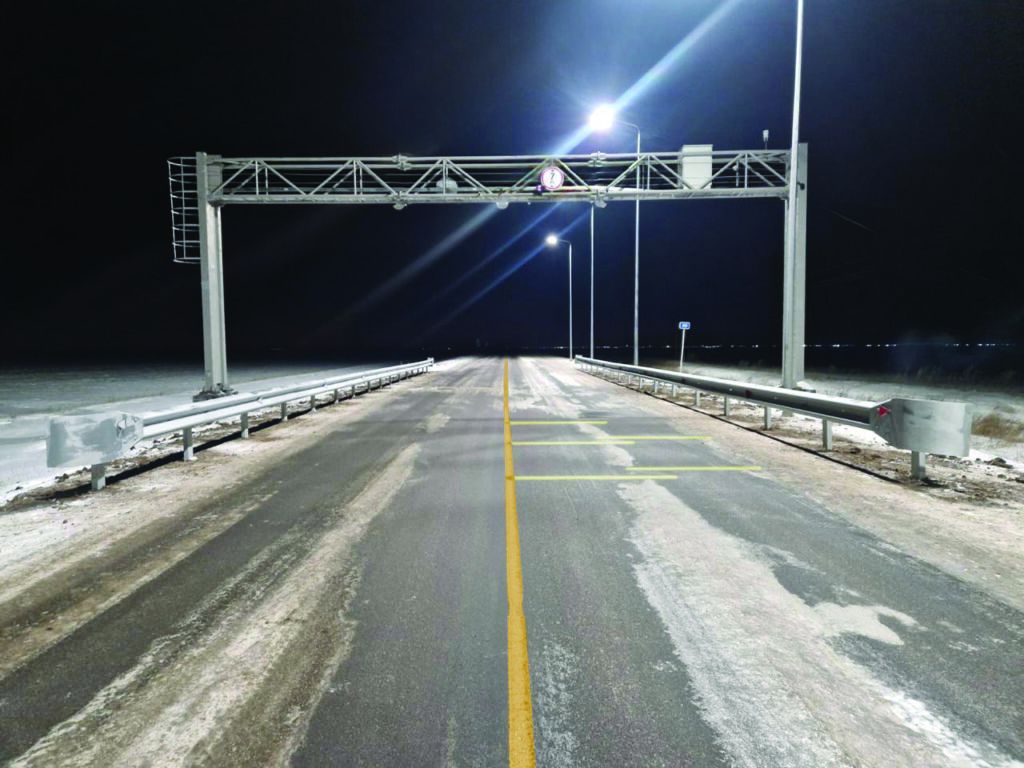
During the initial rollout (2023-2024), enforcement was semi-automatic. When the WIM system detected an overload, an operator manually reviewed the case and issued a fine. However, in December 2024, legislative amendments allowed fully automated enforcement without human intervention.
Under the new framework, once an overload is recorded, an electronic violation protocol is automatically generated and sent to the offender. Notifications are delivered via SMS and other digital channels, and the system integrates directly with the Kazakhstan Ministry of Transport’s database. This automation ensures consistent, swift, and transparent enforcement.
Measurable results
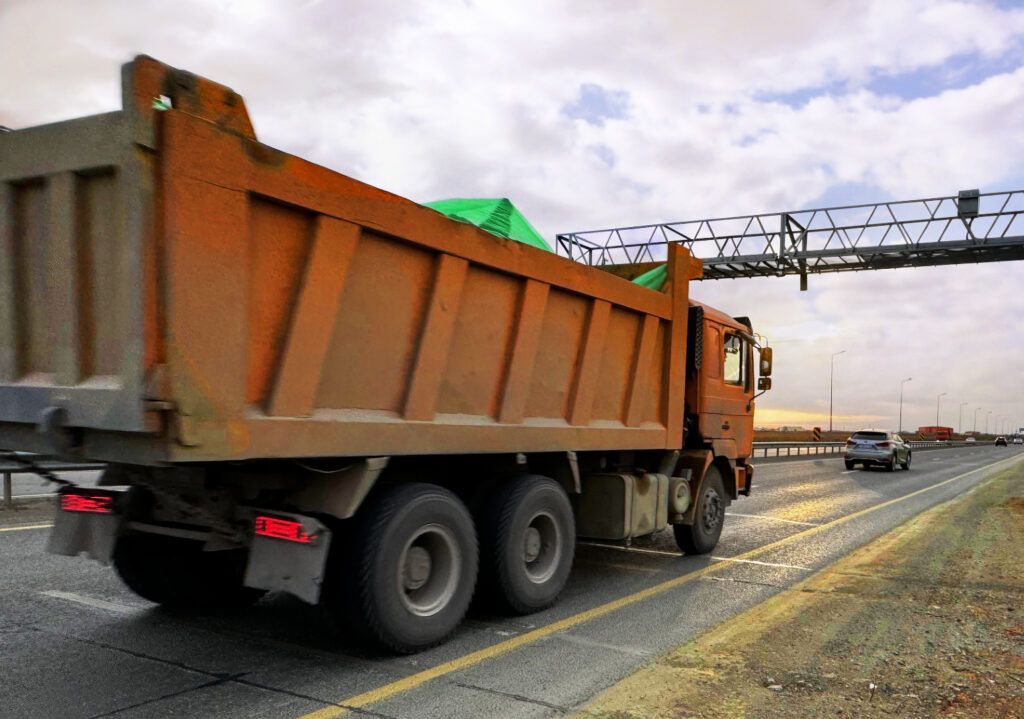
The first phase of the programme included six control points at key entry routes to Astana, forming a comprehensive enforcement ring around the capital. When violations began being recorded in September 2024, more than 300 overloaded vehicles were identified within the first few days. Authorities reported that nearly one-third of dump trucks entering the city exceeded permissible limits, with some carrying 1.5 to 2 times the legal weight.
As additional control points were deployed nationwide, the HS-WIM system evolved into a powerful deterrent capable of monitoring all heavy traffic on highways.
Strain gauge strip sensors
The choice of strain gauge strip sensors proved critical not only for accuracy but also for operational efficiency. Compared to alternative technologies, such as piezoelectric sensors, strain gauge systems offer greater long-term stability, fewer recalibrations, and reduced downtime. For a country with an extensive road network and demanding climate conditions, these advantages result in lower maintenance costs and higher system availability.
By 2025, Kazakhstan had installed weigh-in-motion systems on more than 100 lanes using Intercomp’s strain gauge sensors – a clear demonstration of its long-term commitment to reliable enforcement technology.
A model for other nations
Kazakhstan’s HS-WIM programme stands as a model for countries seeking effective and sustainable enforcement of truck weight regulations. Through careful technology selection, rigorous certification, and strong integration of hardware, software, and local expertise, the country has built one of the most advanced HS-WIM enforcement programmes.
The experience shows that intelligent transportation systems can be both effective and sustainable when accuracy, reliability, and proper integration are prioritised. Kazakhstan’s success demonstrates that with the right approach, direct HS-WIM enforcement can protect infrastructure, ensure fairness, and deliver lasting national benefits.