

As the ITS European Congress heads to Istanbul, one of the live transportation debates in the city is whether two of the tolled crossings of the Bosphorus strait should be leased to private operators — and the first serious sign of international investor interest has now emerged.
Reuters reported on 17 April that a Turkish government team, accompanied by advisers from Ernst & Young, travelled to Portugal in recent weeks to meet potential bidders. The delegation held talks with senior executives at Brisa, Portugal’s largest highway operator, which runs around 1,500km of motorway at home and has existing concessions in the United States.
Brisa declined to comment, as did Turkey’s privatisation board and EY, but the meeting is the clearest indication yet that Ankara is moving from preparatory work towards a live tender — with some reports suggesting the tender specifications could be published as early as May or June.
Brisa is a familiar name in this context. The Portuguese group publicly declared its interest in Turkey’s earlier privatisation drive in early 2011, when it announced plans to bid in partnership with Turkish firm Akfen and flagged Turkey as a potential second-largest market. That earlier process ultimately produced a winning bid in 2012 — but not from Brisa – and in the end the whole scheme collapsed.
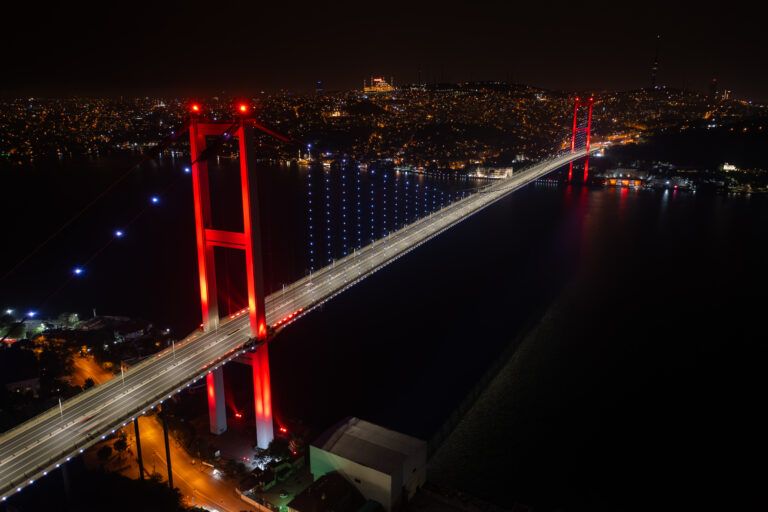
Turkey is planning to privatise the operating rights of two of Istanbul’s most iconic — and heavily trafficked — Bosphorus crossings, triggering a significant political debate over the future of the country’s transport infrastructure. Bloomberg reported in February that EY had been hired to advise on the sale of operating rights for the 15 July Martyrs Bridge and the Fatih Sultan Mehmet Bridge, which link Istanbul’s European and Asian sides.
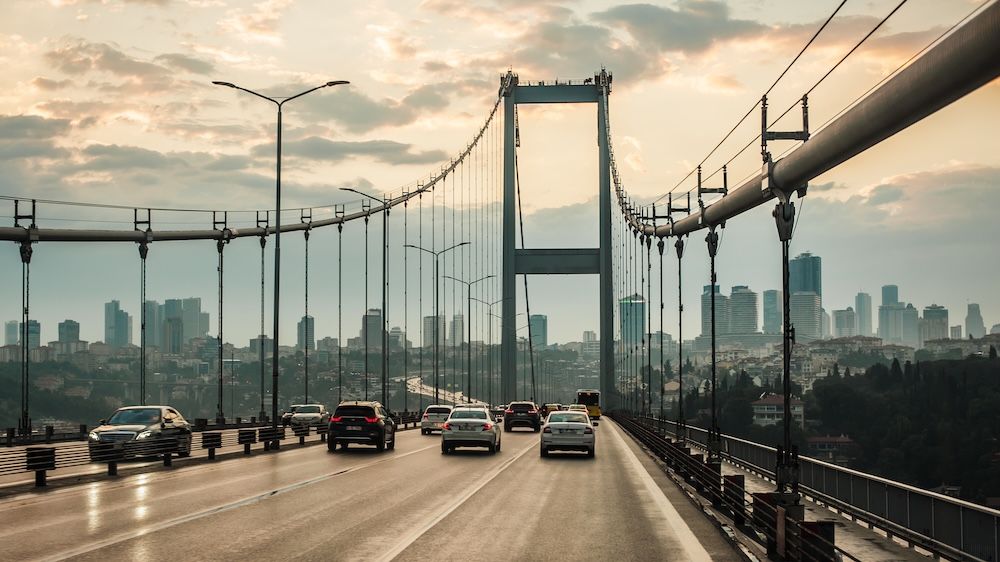
The package is also expected to include at least seven other toll roads, with Canada-based BTY Group appointed as technical adviser. The two bridges are among the busiest transport links in the country, with around 430,000 vehicles crossing them daily. A car currently pays a toll of around US$1.36 each way, generating significant revenues (see right).
It’s important to note that what would be transferred is not physical ownership — Turkey cannot sell the bridges outright as they are public assets — but rather the right to operate them and collect toll revenues for a period. Transport minister Abdulkadir Uraloğlu confirmed last month that the government is preparing tenders for concession rights rather than outright sales.
Finance minister Mehmet Şimşek has pushed back against the reports, insisting that preparatory work by the Privatisation Administration “is just routine for assets already in the programme, which are added by presidential decision and handled transparently.”
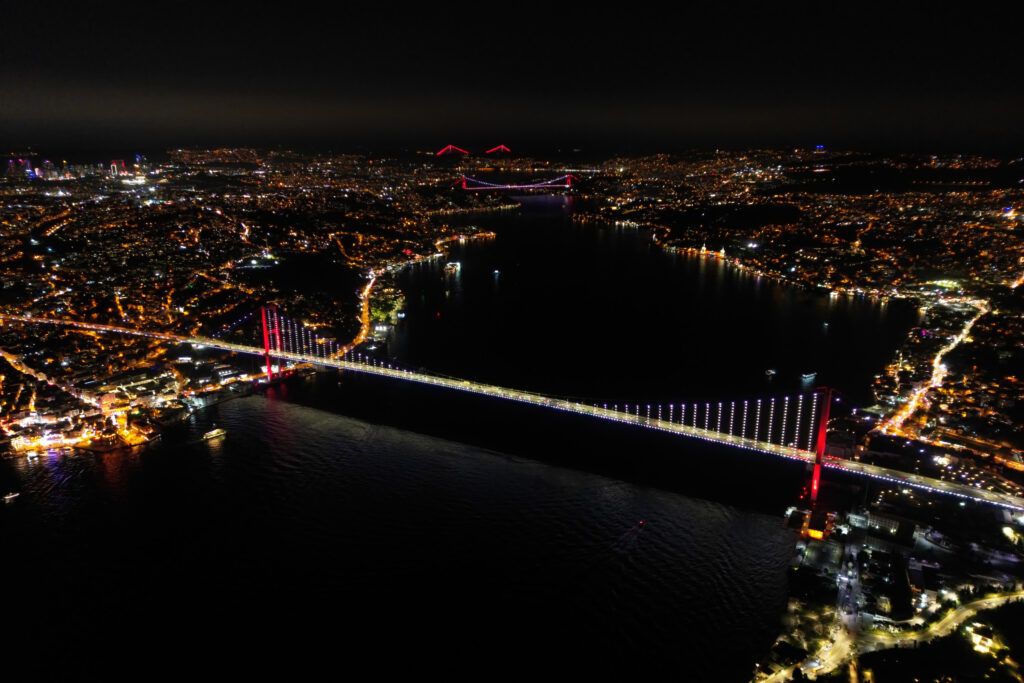
Turkey’s main opposition party, the CHP, has been less sanguine. Deputy chair Deniz Yavuzyılmaz claims the move would cost the public at least US$48 billion, arguing the two bridges and seven highways generated a net public profit of US$600 million in 2025 alone.
According to Yavuzyılmaz, companies awarded the tender would finance the deal with 80% foreign loans and 20% equity, backed by Treasury debt-assumption guarantees — meaning that even if a future government cancelled the privatisation, the Treasury would remain liable for those loans.
This is not the first attempt to transfer these assets. A 2012 tender for both bridges and roughly 2,000km of roads produced a winning bid of US$5.7 billion from a Koç Holding-led consortium, but the deal was cancelled in 2013 after President Erdoğan declared that selling the assets for less than US$7 billion would amount to “treason.” Officials now expect any new bids to exceed that figure.
This article has been updated from a version that first appeared in the April/May edition of TTi