

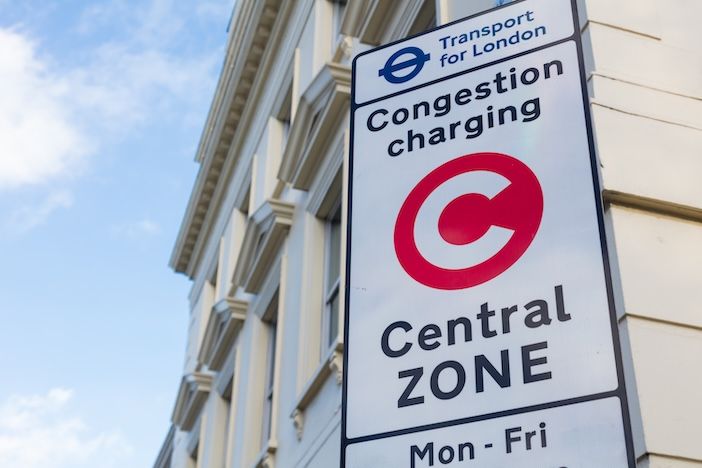
Transport for London has confirmed changes to the Congestion Charge designed to maintain the scheme’s effectiveness at managing traffic in central London, with the daily fee set to rise and electric vehicle discounts being adjusted from January 2026, but not all transport stakeholders agree the changes are well thought through.
The charge will increase from £15 to £18 on 2 January 2026, while electric vehicle drivers will see their current 100 per cent discount replaced with a tiered system offering a 75 per cent reduction, bringing the daily EV fee to £4.50.
TfL says the changes are essential to prevent an estimated 2,000 additional vehicles entering the zone during operating hours on an average weekday. Without intervention, the authority warns that increasing EV uptake combined with the existing full discount could undermine congestion management efforts, leading to more queues and delays.
“If we want to ensure that London remains a thriving city for everyone to enjoy, then it’s vital that traffic and congestion is kept under control and managed effectively,” said Christina Calderato, TfL’s Director of Strategy. “The changes to the Congestion Charging scheme play a key role in allowing us to do that, while striking a careful balance that enables drivers, businesses and other organisations to continue transitioning to cleaner vehicles.”
The changes come as London’s EV population has grown dramatically, with registrations rising almost sixfold since the Cleaner Vehicle Discount was introduced in 2019, from around 20,000 to more than 116,000 earlier this year. EVs are expected to account for close to 20 per cent of all vehicles in the zone by the end of the year.
Vehicle congestion already costs London billions of pounds annually, with 2024 figures showing a £3.85 billion impact on the capital, averaging £942 per driver.
However, not all stakeholders welcome the changes. Collaborative Mobility UK, the national shared transport charity, has warned that the measures could have significant implications for car clubs operating in the capital, with one operator estimating the combined impact will cost around £878,000 on average over the next five years.

While TfL has introduced a new 100 per cent discount for electric car club vehicles based within the zone and returned to the same parking bay after use, Richard Dilks, chief executive of CoMoUK, said this covers only a handful of vehicles compared to the overall increased financial burden.
“These plans load more cost onto the capital’s car club fleet and risk denying Londoners and visitors access to shared cars that cut costs and emissions,” said Dilks. CoMoUK research indicates that each car club vehicle replaces 31 private cars in the capital, contributing to reduced congestion and improved air quality.
The organisation has called on the Mayor and TfL to differentiate between shared and privately-owned vehicles when setting charging policies.
Alongside the pricing changes, TfL confirmed adjustments to residents’ discounts, with existing residents retaining their 90 per cent discount regardless of vehicle type. New applicants after 1 March 2027 will only receive the discount for electric vehicles, though low-income and disabled residents receiving certain benefits can continue applying without an EV until March 2030.
Future Congestion Charge increases will be aligned with Tube fares and will not require consultation, ensuring consistency with public transport fare-setting procedures.