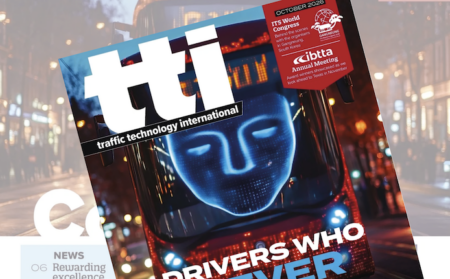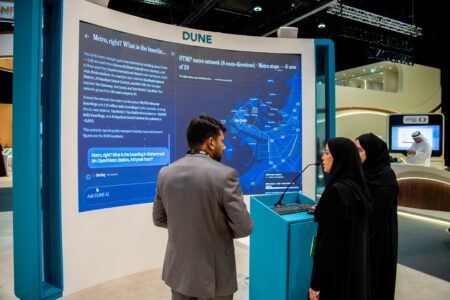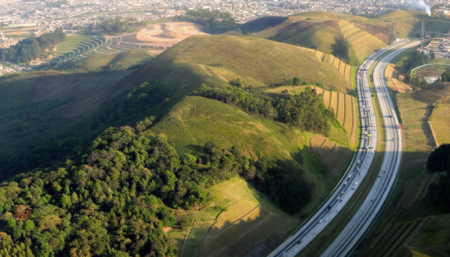

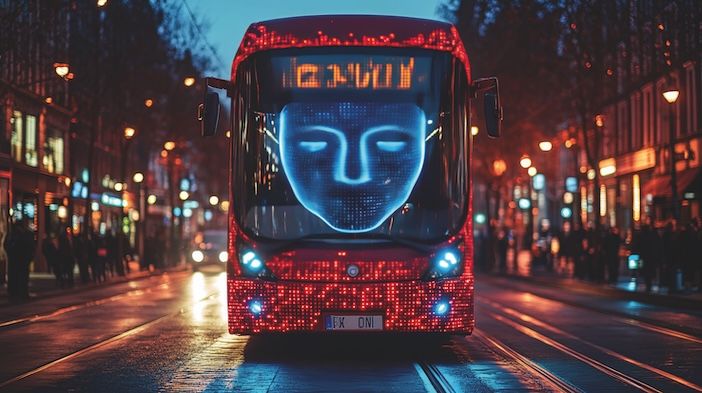
As the ITS World Congress lands in South Korea we preview the nation’s growing portfolio of connected and autonomous mobility projects, from Seoul’s self-driving night bus to the host city’s own smart transport services, as well as looking to the highlights to watch out for in Gangneung
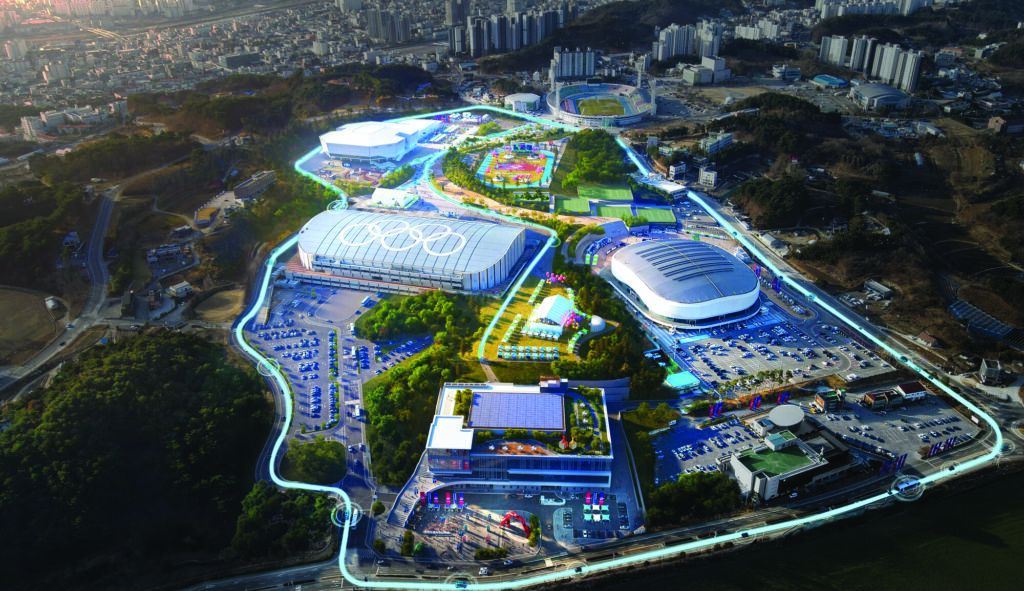
In October, the global ITS community turns its attention to Gangneung – a city on South Korea’s east coast that is now carrying the sporting legacy of the 2018 Winter Olympics into this new role as a forum for international experts in connected and autonomous mobility and all things intelligent in transportation.
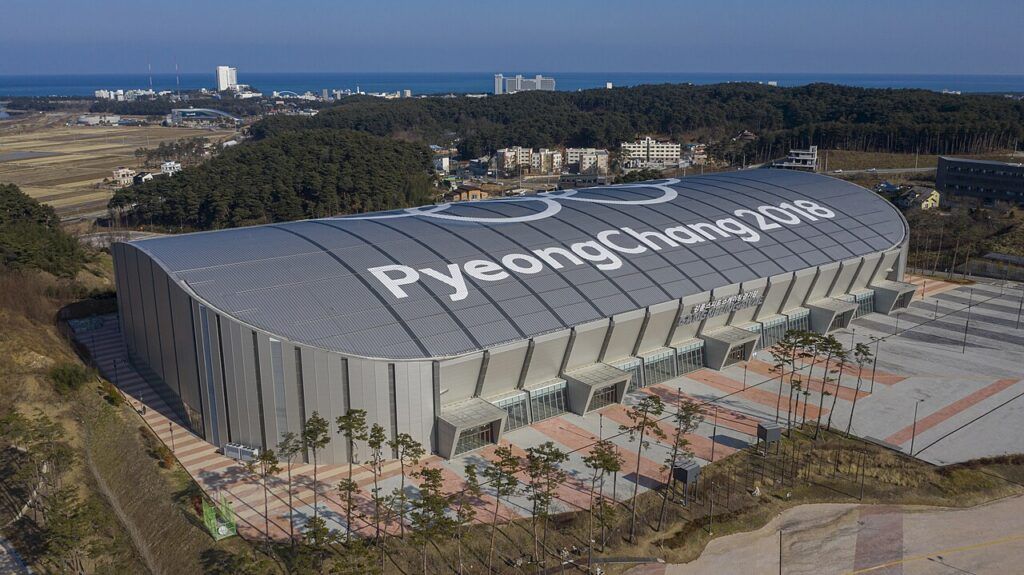
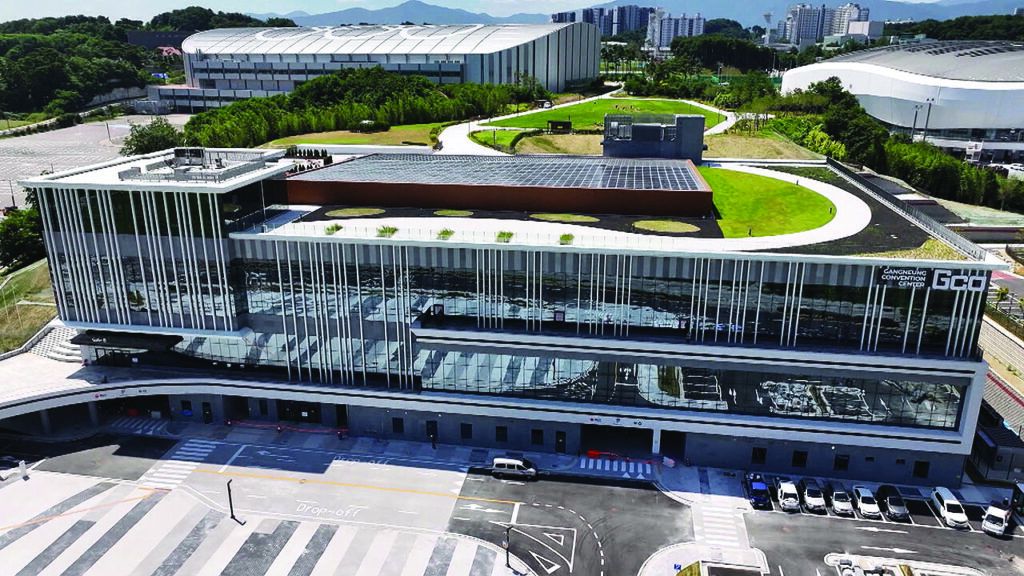
The 32nd ITS World Congress runs from 19 to 23 October 2026 at Gangneung Olympic Park, where a speed-skating arena has been refurbished to serve as the main exhibition hall. Gangneung hosted a number of different ice events for PyeongChang 2018, which included (as well as speed-skating) figure skating, ice hockey and curling.
This year’s World Congress is being hosted by Korea’s Ministry of Land, Infrastructure and Transport (MOLIT) and Gangneung City, and organised by ITS Korea alongside ITS Asia-Pacific, ITS America and ERTICO-ITS Europe. Its theme, ‘Beyond Mobility, Connected World,’ reflects an ambition to move the conversation past traditional safety and efficiency gains and towards a fully integrated transport ecosystem.
“In Gangneung we will take a leap to the next level of mobility innovation,” says Kim Yun-duk, Korea’s minister of land, infrastructure and transport and honorary chairman of the congress. “Korea is expanding infrastructure for autonomous driving, UAM (urban air mobility), and AI-based cities, placing the utmost priority on creating safe and convenient transport.”

“Gangneung demonstrates that world-class events are not the privilege of megacities”
Akio Yamamoto, secretary general, ITS Asia-Pacific
“Gangneung will be the first small to midsized city to host the ITS World Congress,” says Gangneung mayor Kim Hong-kyu. With a population of around 208,000, Gangneung is a deliberate change of scale from recent hosts Dubai and Atlanta, built around the idea that connected mobility should work for mid-sized cities and ageing, seasonal, tourist-heavy populations. as much as for megacities.
“Gangneung demonstrates that world-class events are not the privilege of megacities,” says Akio Yamamoto, secretary general of ITS Asia-Pacific. “It sets an important precedent, encouraging cities of all sizes to host the ITS World Congress.”
Autonomous inspiration
Nevertheless, 130 miles to the west of the congress venue is one of the world’s biggest megacities, Seoul, with a population over 25 million. And so, when it comes to ITS innovation and inspiration, Gangneung has the benefit of large testbed to draw upon.
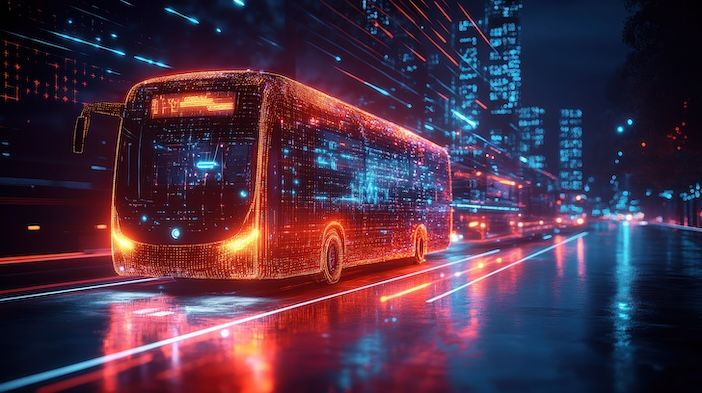
In Seoul, since December 2023, the Metropolitan Government has been operating Night A21, believed to be the world’s first full-size autonomous bus service built specifically to plug a labour gap that human drivers are reluctant to fill – the night shift.
The service runs a 9.8km route along bus lanes between Hapjeong and Dongdaemun, departing at 11.30pm on weekdays and taking around 45 to 50 minutes each way. The vehicles are large electric buses, converted from Hyundai’s Elec City model and developed with autonomous driving specialist SUM (Smart yoUr Mobility).
“One day all the buses in Seoul will be driverless,” says Park Kang-uk, head of operations at SUM. “There are fewer and fewer people who want to drive buses, especially at night.” Counter to that, on side of human empolyees, Yoo Jae-ho, secretary-general of the Seoul City Bus Union, has stated that: “Selfdriving technology should not replace human labour completely.” It is a tension likely to recur across the ITS World Congress programme as more cities look at automation as a response to driver shortages rather than purely as a way of improving safety or efficiency.
Nevertheless, the numbers are compelling. In its first six months of operation, Night A21 carried 8,424 passengers, averaging 94 riders a night, across 8,372km of driving, with no crashes and no breakdowns. On the strength of that record, the city moved the service onto a paid, permanent footing from July 2024. Seoul’s wider autonomous vehicle programme has since grown to around 27 vehicles operating across six zones citywide, with more than 100,000 cumulative passengers carried to date.
While Seoul supplies the headline case study, Gangneung is quietly building a testbed of its own. The city’s most visible new asset is its Urban Information Center, opened in November 2024, officials describe it as Gangneung’s “control tower for traffic, security, environmental and emergency data”. Built on citywide ITS, the centre is will be a technical visit and demonstration venue during the congress itself, giving delegates a direct look at how this mid-sized city’s control room actually operates.

“In Gangneung we will take a leap to the next level of mobility innovation”
Kim Yun-duk, minister of land, infrastructure and transport, South Korea
Gangneung has also been running demand-responsive transport trials since mid-2024. Its Masil buses cater for under-served, remote routes with QR-code and call-centre hailing, while a free City Call Bus demand-responsive service links tourist areas including Anmok Beach and Gangmun Beach with the city centre.
“By actively reflecting the feedback of citizens and tourists, we will verify a demand-responsive transport model tailored to Gangneung and link it to unmanned autonomous driving demonstrations in the future,” says Lim Sin-hyuk, head of the ITS promotion division at Gangneung City, taking inspiration from the autonomous services already operating in Seoul.
The race to deploy
As with many recent congresses the focus in Korea is certain be on deployment. With government funding streams for V2X tightening, there is an increasing imperative to make the business case for ITS. “We seek to turn ideas into real-world solutions,” says Lee Seon-ha, the academic who is chairing the congress’s international programme committee. “The programme is built around safety, sustainability, interoperability, AI, data-driven operations, automation, digital infrastructure, and user-centered design.”
And ultimately the congress always creates a place where business can be done “It’s where partnerships are established, standards are influenced, and innovation is accelerated,” says Joost Vantomme, chief executive officer of ERTICO-ITS Europe.
“It’s the premier event to convene transportation technology leaders from across the globe for engaging conversations, technology demonstrations, and partnerships,” adds Laura Chace, president and CEO of ITS America. “It drives dynamic information exchange to foster productive collaboration between public, private, and academic stakeholders to drive innovation.”
For registration and more information visit www.2026itsworldcongress.org
Exhibitor highlight
Booth S46
Miovision
Proactive safety tools
Traffic fatalities remain high despite major investments, exposing the limits of traditional, crash-based approaches. Achieving Vision Zero requires proactive tools that identify risks before crashes happen. Miovision’s Continuous Safety Monitoring (CSM) and Vehicle-to-Everything (V2X) solutions deliver real-time insights, helping agencies detect near-misses, manage risk, and protect vulnerable road users. This year, the company also launched Mateo, a purpose-built generative AI agent for intelligent mobility, which turns complex network data into actionable insights through natural language conversations. Visit Miovision in Gangneung to learn more.
South Korea’s ITS pipeline
Gwangju’s citywide autonomous pilot Korea’s largest self-driving demonstration to date is due to launch in the second half of 2026, putting 200 AI-based Hyundai autonomous vehicles into service across a 500km² zone
AI adaptive traffic signals Incheon has reported an 8% cut in delays and a 4.4% rise in average travel speed after applying AI signal optimisation on 10 major arterials, while Goyang and Seoul have launched comparable AI-driven intersection trials, the latter reporting a 41% reduction in average delay at its Hwarang-ro testbed.
Free-flow tolling Korea Expressway Corporation has been piloting ALPR tolling that lets vehicles pass without a Hi-Pass transponder, alongside early rollout of multi-lane free-flow tolling on Seoul Capital Area expressway sections.
Bigger BRT MOLIT’s second comprehensive BRT (bus rapid transit) plan, announced in July 2026, will nearly double dedicated bus lane mileage by 2030 and expand autonomous BRT routes.
Robotaxi pilots Kakao Mobility, Uber and Socar are all engaged in Robotaxi pilots in South Korea, mirroring similar developments around the world.
Urban air mobility MOLIT’s K-UAM Grand Challenge completed metropolitan flight testing over Incheon’s Ara Canal corridor in late 2025, part of a national push to add an air layer to Korea’s connected mobility ambitions.