

The US Department of Transportation’s National Highway Traffic Safety Administration (NHTSA) has launched a new national action plan aimed at significantly reducing traffic fatalities across the country, targeting what the agency describes as the four leading causes of road deaths: impairment, speeding, distraction, and lack of seat belt use.
Branded as Pathways to Safer Streets (P2SS), the initiative has been described by the agency as the most comprehensive traffic safety programme in NHTSA’s history. It is built around eight distinct strategic pathways, each designed to address a specific dimension of road safety through a combination of enforcement, technology, education, and inter-agency collaboration.
NHTSA Administrator Jonathan Morrison said: “The Trump Administration is launching the most comprehensive traffic safety initiative in NHTSA’s history, directly tackling our roadway safety crisis. This starts with rebuilding relationships with our law enforcement partners who were abandoned by the previous administration. At NHTSA, we’re leaning in to support new and enhanced steps to target and reduce bad driving behaviors that lead to serious crashes like speeding and impaired, unbelted, and distracted driving.”
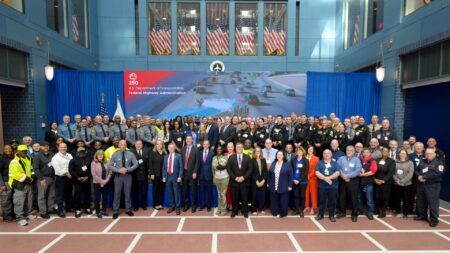
A central pillar of P2SS is the re-engagement of law enforcement at both federal and local levels. NHTSA has restored grants and expanded partnerships, including full reinstatement of support for Data-Driven Approaches to Crime and Traffic Safety — a programme designed to deploy high-visibility, targeted enforcement. A law enforcement summit is also being organised to align federal and local priorities.
On impaired driving, the agency is working with states to develop Impaired Driving Tracking Systems to address recidivism, while also encouraging wider use of ignition interlock devices. NHTSA is additionally expanding toxicology support to all 50 states and advocating for the adoption of oral fluid testing devices to detect drug impairment in drivers.
Occupant protection features prominently in the plan. With nearly half of all occupant fatalities involving unbelted individuals, NHTSA is promoting its “Rural High Five” programme to target areas with low seat belt usage, and is pressing for increased nighttime belt enforcement. A new partnership with the U.S. Army and Air Force has also been established to improve the correct installation of child car seats.
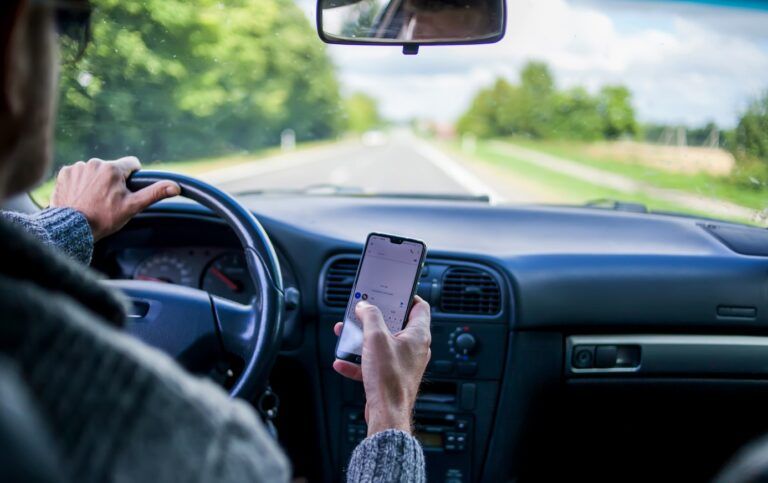
Tackling excessive speeding, the agency says it will focus resources on the most egregious offenders, supporting heavier financial penalties, custodial sentences, and the exploration of intelligent speed assistance devices for repeat violators. On distracted driving, the “Put the Phone Away or Pay” campaign — recently featuring Transportation Secretary Sean Duffy — is being expanded, with NHTSA also researching how mobile telematics data could help identify distraction and other high-risk driving behaviours such as hard braking and swerving.
One of the more distinctive elements of P2SS is its focus on prehospital care. NHTSA and the USDOT have committed $80 million to expand blood transfusion capabilities at the roadside, following research indicating that prehospital blood transfusions can reduce mortality in trauma patients with severe bleeding by 37%. Further funding is available through the USDOT’s Safe Streets and Roads for All grants programme.
The initiative also encompasses a broad National Partnership Network, drawing in agencies including the National Park Service, Indian Health Service, and the Department of War, with the goal of extending safety messaging to service members, park visitors, and tribal nations.
Finally, NHTSA is strengthening its support for State Highway Safety Offices through the development of the State Program Hub — an AI-powered platform offering evidence-based recommendations — alongside a new Promising Practices Repository, which will allow states to share and learn from each other’s most effective road safety programmes.
The agency has not yet published a timeline for the full implementation of P2SS, though several elements, including the restored grants and ad campaigns, are already underway.