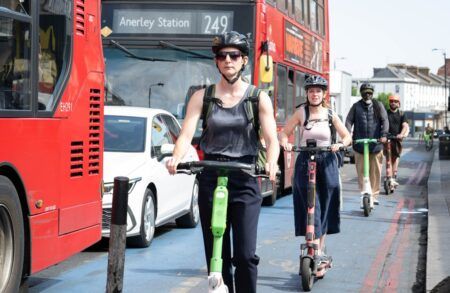


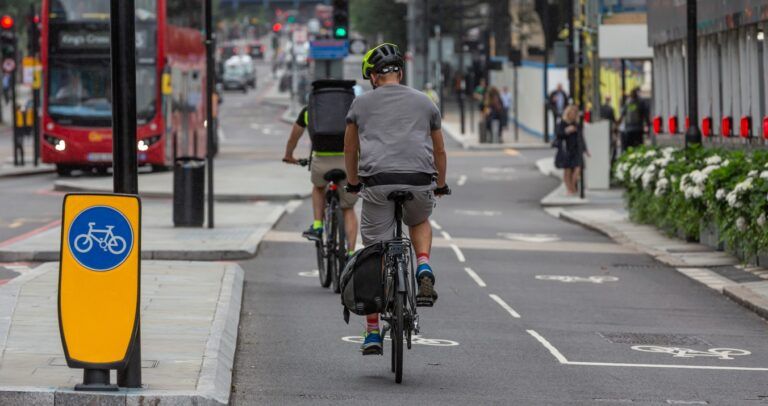
The UK Government has set out a new Cycling and Walking Investment Strategy under the Department for Transport aiming to expand walking, wheeling and cycling across England, with long-term targets to increase the share of short journeys made by active modes by 2035.
The strategy, published alongside Active Travel England’s Worth Every Step delivery plan, sets a national target for 55% of short trips in towns and cities to be walked, wheeled or cycled by 2035. It also sets a target for 60% of children aged 5 to 16 to travel actively to school by the same year.
The investment is projected at over £4.5bn over the next five years and will work with Active Travel England and local authorities to deliver 5,000 new walking, wheeling and cycling routes and 10,000 safer crossings by 2030 connecting homes, schools, high streets, local services and transport hubs.
Transport Secretary Heidi Alexander of the Department for Transport said, “Too many people would like to walk, wheel or cycle more often but don’t feel they have safe and convenient options to do so. Our new Cycling and Walking Investment Strategy sets out how we will change that, with ambitious targets, record levels of investment and a clear plan to make active travel a practical choice for millions more journeys. This is about creating healthier communities, helping households keep more money in their pockets and building a transport network that works better for everyone.”
Secretary of State for Health James Murray added: “The Cycling and Walking Investment Strategy demonstrates how we’re working across government to deliver for our communities and reduce health inequalities, while helping fulfil our commitments as set out in the 10 Year Health Plan.”
National Active Travel Commissioner Chris Boardman said: “It’s time to make the cheapest and healthiest way to travel, the easiest way to travel. When streets work for people, everything else follows.”
The strategy sets out projected public health and economic impacts, with analysis from Active Travel England suggesting potential savings of around 1.7 million GP appointments annually and 4.4 million fewer sick days. It also estimates households could save around £1,700 per year if a second car is not used for short trips, equivalent to £17,000 over 10 years.
The framework forms part of a cross-government approach linking transport, health and investment under the Pride in Place programme and the 10 Year Health Plan, with Active Travel England supporting delivery alongside local authorities.
The strategy sets out plans for a more coherent transport network designed to make active travel a realistic option for more journeys across England.