


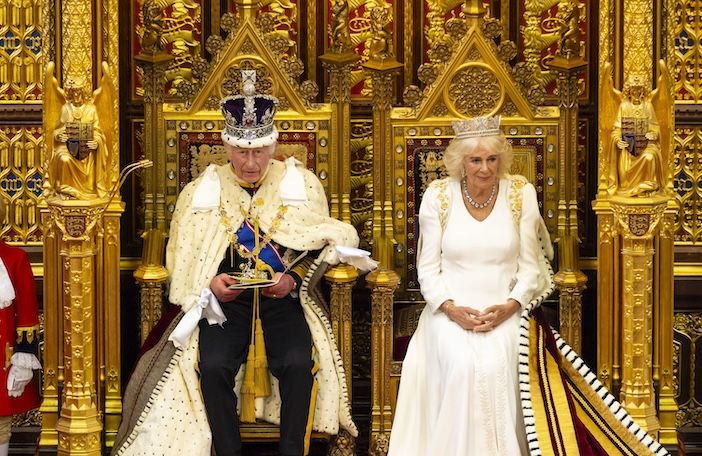
The UK Government has outlined its legislative programme for the new parliamentary session, with transport technology, road infrastructure and passenger rights all featuring in the King’s Speech delivered on 13 May 2026.
The government committed to 37 bills, including plans to develop Northern Powerhouse Rail, introduce a new financing model for major road projects, and continue legislation to establish Great British Railways. Regulatory sandboxes to test emerging technology and new cybersecurity protections for critical infrastructure were also included.
ITS sector welcomes progress but flags road safety gaps
Intelligent Transport Systems UK (ITS UK), the industry body for the transport technology sector, broadly welcomed the announcements while calling for clarity on road safety legislation and e-scooters.
“The King’s Speech contains some positive proposals for legislation, including progressing much needed infrastructure projects like Northern Powerhouse Rail and the Lower Thames Crossing, whilst reintroducing previous bills on cybersecurity and resilience and GBR,” says Max Sugarman, chief executive of ITS UK. “These proposals will be welcomed by the transport tech sector.”

However, Sugarman flagged the absence of legislation on two issues the sector had been anticipating. “We note the absence of legislation relating to the Road Safety Strategy and the long-term legal framework for e-scooters. Both remain important areas for the sector, and we would welcome further clarity from Government on next steps to support progress towards the road safety ambitions set out earlier this year.”
Lower Thames Crossing to get dedicated financing bill
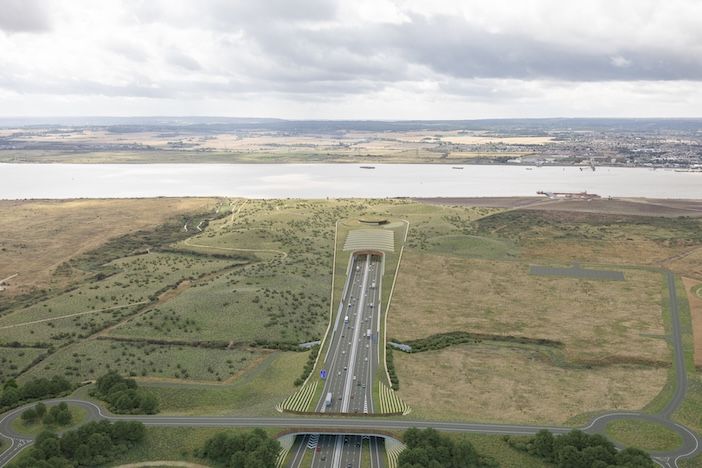
The government confirmed the introduction of a Highways (Financing) Bill, designed to unlock funding for the Lower Thames Crossing — a £10bn motorway-standard road linking Essex and Kent via twin tunnels under the Thames. At 14.5 miles (23km), the tunnels will be the longest road tunnels in the UK.
The bill will enable a regulated asset base (RAB) model — previously used to fund large infrastructure projects including the Thames Tideway Tunnel and the Sizewell C nuclear power station — to be applied to a major road project for the first time. Under the model, private companies will bid for licences to construct and operate the crossing, with an independent regulator overseeing the works. Road users rather than taxpayers are expected to bear the cost, with the bill set to outline the charging structure.
Major tunnel construction is anticipated to begin in 2028, with National Highways targeting an opening in the early to mid-2030s. The scheme is intended to relieve congestion at the existing Dartford Crossing.
Taxi licensing and aviation enforcement in the frame
Transport Committee chair Ruth Cadbury welcomed the inclusion of a draft Taxi and Private Hire Vehicle Bill, which the committee has been examining as part of its ongoing inquiry into taxi and private hire vehicle licensing.
“The move to introduce a national database of all licensed taxis and hire vehicles is very welcome — not least as it reflects the weight of the evidence that we have heard since we started our inquiry last year,” Cadbury says. “Efforts to modernise the legal framework, strengthen enforcement and improve information-sharing all echo themes of our inquiry.”
Cadbury also welcomed a Civil Aviation Bill that will grant new enforcement powers to the Civil Aviation Authority (CAA). “This will provide greater protection for passengers and is something that the Committee has been calling for since the pandemic, when we saw widespread issues with refunds and flight cancellations,” she adds.
On road safety, Cadbury noted that major consultations had recently concluded and said the committee would examine the government’s strategy and its potential implications for future legislation.