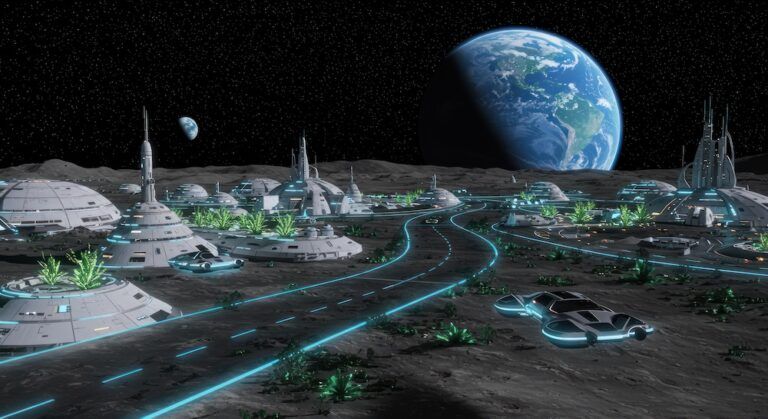
A lunar base is the ultimate aim of NASA's Artemis missions
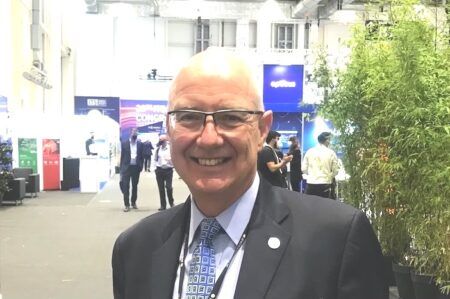
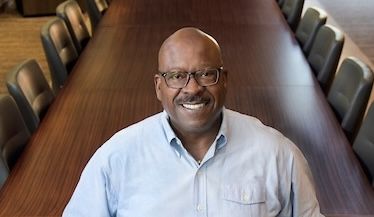
Greg Winfree, JD, agency director of the Texas A&M Transportation Institute, reveals more about the new $200m Texas A&M University Space Institute – a new partnership between the academic institution and NASA
“A nation’s economic vitality depends on its transportation network – its roadways, waterways, railways and airways. Add the term ‘spaceways’ to that list. Despite the storied history of space flight, we’ve only just begun to truly explore ‘the final frontier.’ Our approach to date has embraced a sort of stay-for-the-night mentality. We go to space, conduct experiments and return those discoveries to Earth. Freeze-dried foods, digital cameras and airless tires based on NASA’s rover tire technology – we’d have none of these innovations without space-based research. Now, with the Artemis program and the Moon to Mars Architecture initiative, NASA is planning a permanent, extraterrestrial human presence. A vision which requires next-level thinking.
To help get us there, Texas A&M University has partnered with NASA in developing the Texas A&M University Space Institute, co-located in Houston near the Johnson Space Center. This institute will pool the intellectual firepower within the A&M system to make “new discoveries, technological innovations and health advances.” The task is to think outside our earthbound box to make possible sustainable habitats on the Moon and beyond. This requires answering practical questions involving transportation and the need for reliable infrastructure.
How will folks get around? What kind of infrastructure will we need? How do we build it? Can we use the naturally occurring regolith (rocky material) to pave lunar roadways on the Moon? Without local gravity, water or air – all necessities for roadways here on Earth – how do we even build durable roads out there?
Greg Winfree
“Can we use the naturally occurring regolith (rocky material) to pave lunar roadways on the Moon?”
The Texas A&M University Space Institute will maintain two football-pitch sized simulated environments to answer questions like these. The facilities will replicate conditions to test the efficacy of methodologies and technologies necessary for long-term lunar and Martian habitation. Like discoveries before them, new, validated construction methodologies and technologies can improve approaches we’ve relied on for decades – some for thousands of years. Applying those lessons learned in space will help create a more reliable, resilient transport system here on Earth as competition for resources and extreme weather events challenge traditional techniques.
A 2023 NASA study suggested that, for every one dollar spent in labor income, an additional seven dollars is created in the US economy. Space represents a next-level commercial opportunity, a next step in the supply chain vital to the efficient movement of goods and people around the globe. To get there, we need to open our minds to new possibilities for investment, innovation, and the implementation of applied research. It’s no exaggeration to say that the future is transportation.
Greg Winfree, JD, is the agency director of the Texas A&M Transportation Institute (TTI), a former US assistant secretary of transportation, and a member of ITS America’s board of directors