


The US Federal Highway Administration (FHWA) has announced $100 million in funding for projects that reduce congestion on American roads, with applications open until 17 December 2026.
The money is provided through the FHWA’s Congestion Relief Grant Program, which aims to alleviate highway congestion and its associated costs by optimising existing capacity through intermodal integration, demand management and strategic pricing.
Eligible projects
Funds can be used for projects that decrease congestion, including:
- an integrated system to actively monitor and manage traffic congestion
- high-occupancy vehicle (HOV) toll lanes, as well as congestion, cordon and parking pricing programmes
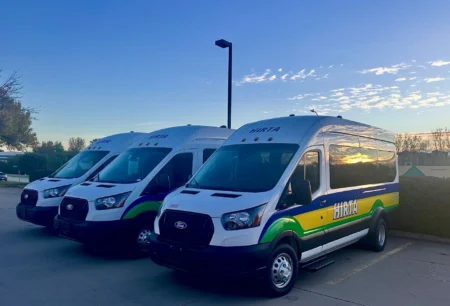
- daily transit options, including commuter buses and vans, express service, paratransit, on-demand microtransit and streamlined payment systems.
The programme also aims to improve system effectiveness while ensuring solutions remain safe and financially considerate of the travelling public.
Funding criteria and deadline
Funding may be used for projects in areas with a population of more than one million people, covering planning, design, implementation and construction. Applicants are encouraged to submit eligible projects as soon as possible but must do so by 17 December 2026. The application criteria are set out in the programme’s Notice of Funding Opportunity, published by the FHWA.
The release does not state the maximum award per project or the number of awards expected. This needs to be checked against the Notice of Funding Opportunity.
“Gridlock is costing Americans time with their families and money from their wallets,” says FHWA administrator Sean McMaster. “This program brings much-needed relief to our most congested metropolitan areas. Alongside building new capacity, the program uses cutting-edge technology to maximize the efficiency of our highways.”
Freedom to Drive initiative
The funding builds on the US administration’s Freedom to Drive initiative, a national effort that aims to save families time and money by maximising roadway capacity, fast-tracking projects that relieve congestion chokepoints and drawing on American technology and private-sector partnerships.