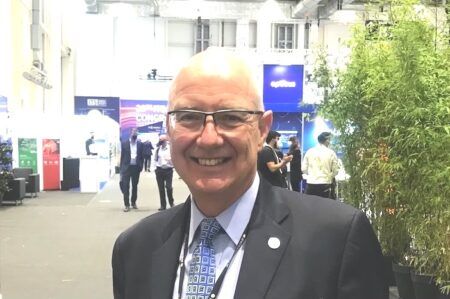


Greg Winfree, JD, agency director of the Texas A&M Transportation Institute (TTI), and keen motorcyclist himself, communicates his passion for keeping two-wheeled road users safe and gives some insight in some groundbreaking safety projects underway a TTI
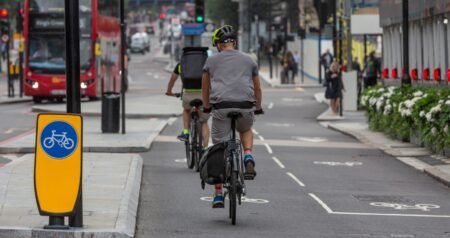
When people hear the term vulnerable road users (VRUs), pedestrians or bicyclists often first come to mind. But motorcyclists fall into that category too. And yet folks can have a blind spot—or a straight-up prejudice—when it comes to motorcyclists.
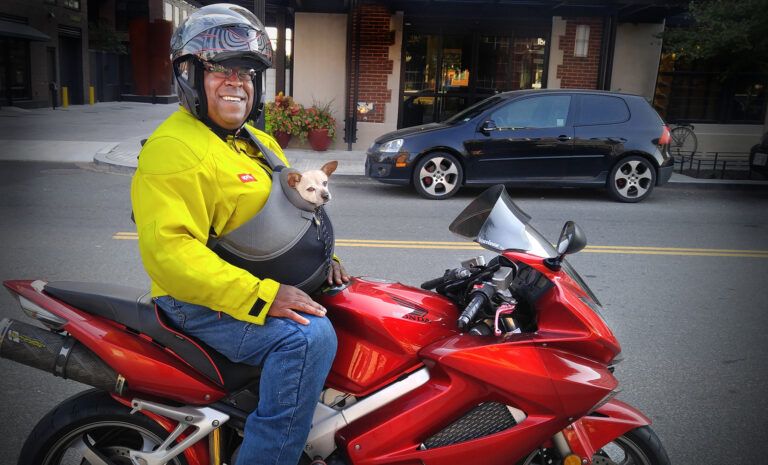
It’s somewhat understandable. In function, motorcycles closely resemble four-wheeled vehicles. Riders have to be licensed, for example, and they travel at highway speeds. Unlike drivers, however, motorcyclists aren’t surrounded by a cage designed to minimize injury and avoid death in a crash. But recognizing riders’ vulnerability goes beyond these issues. There’s a more insidious, cultural bias at work here too; one shared, ironically, by the motorcyclists themselves.
In the rest of the world, two-wheeled mobility is seen as one solution (through congestion mitigation and affordability) to a larger mobility problem. Americans often see riders as ‘adrenaline junkies’ opting for a ‘fun’ way to travel. They’re not always viewed as serious road users, and this plays into the prejudice against them from a safety perspective. Who doesn’t want to protect grandma crossing the street? But not everyone recognizes the same risk faced by a leather-jacketed rider, though the likely outcome of a vehicle hitting them is the same.
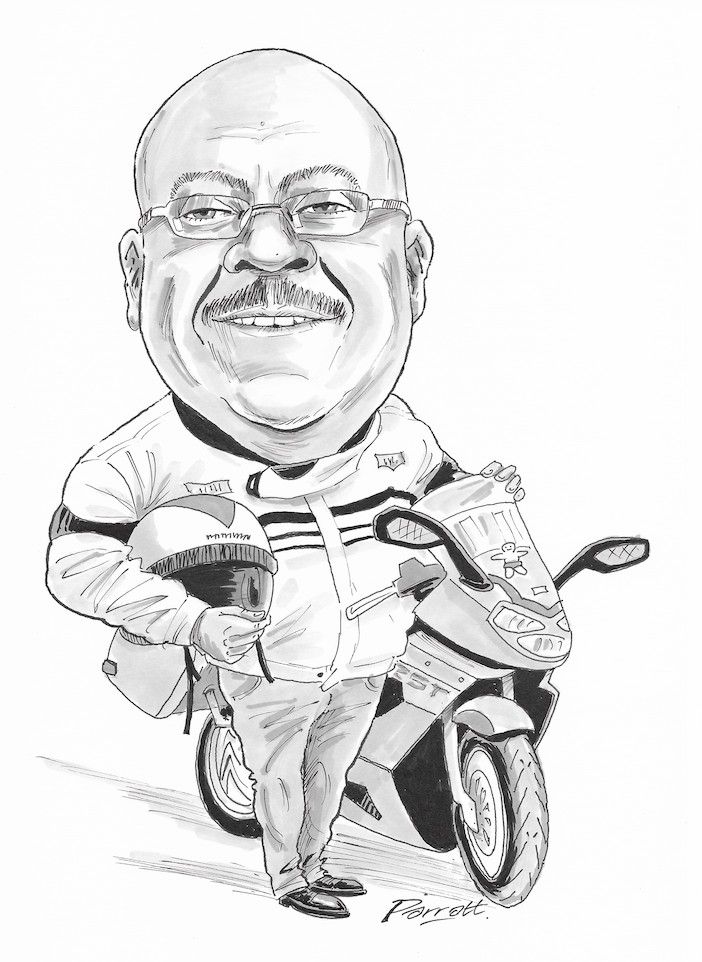 “To validate the effectiveness of impact-mitigation systems, TTI is developing a first-of-its-kind motorcycle testing standard in the US”
Motorcyclists are partly to blame. Embracing a ‘freedom of the road’ mentality, many riders tend to see road rules as optional. Weaving in and out of traffic, excessive speeding, and a riding population ranging from motorcycle gangs to weekend warriors astride $50,000 custom dream machines feed the stereotype (and we won’t even mention helmet usage!). It’s easy to shrug your shoulders and say, “Well, if they don’t take themselves seriously…”
At the Texas A&M Transportation Institute (TTI), we have a long history of taking motorcycle safety seriously. One current project involves improving railings installed on tunnel walkways above and behind concrete traffic barriers to protect pedestrians. Unfortunately, the combined traffic-pedestrian rail poses a serious injury risk for motorcyclists during barrier impacts under certain conditions. Our research is improving the railing design to provide a safer system for all user groups. To validate the effectiveness of these impact-mitigation systems, TTI is also developing a first-of-its-kind motorcycle testing standard in the United States.
That being said, standards, testing, technology and policy can only do so much. Making our roads safer for all users requires all of us, including motorcyclists – to change how we view the rider’s relationship to roadway safety – we must take every single road user, regardless of mode, seriously.
This article first appeared in the May 2025 edition of TTI magazine