

Transport for London (TfL) has launched its first network-wide traffic management strategy, setting out plans to deploy advanced traffic control systems and artificial intelligence technology across the capital’s road network by 2030.
The ‘London on the move’ plan focuses on upgrading the city’s Yutraffic Fusion traffic control system, provided by Yunex Traffic, expanding AI-powered monitoring infrastructure, and implementing bus priority measures across all 3,500 traffic signals used by bus routes.
Fusion targets 14% delay reduction
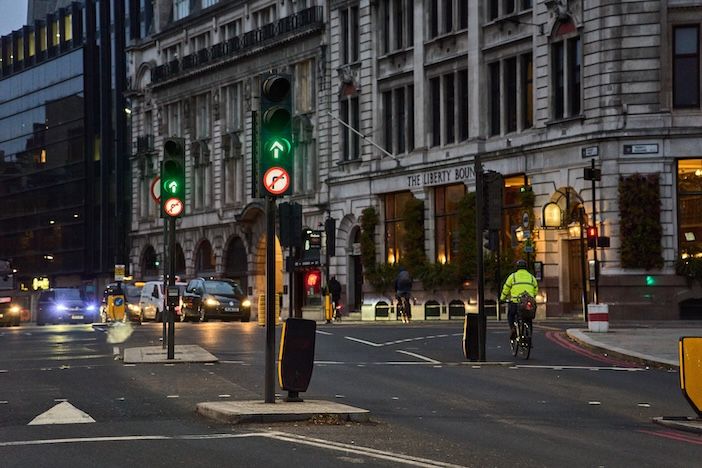
Central to the strategy is the enhancement of Yutraffic Fusion, which TfL describes as one of the world’s most advanced traffic control systems. The upgraded platform will analyse broader datasets when determining signal timings and will be capable of integrating artificial intelligence sensors in future phases. TfL estimates the improvements could reduce delays by up to 14 per cent and deliver £1 billion in benefits through reduced journey times.
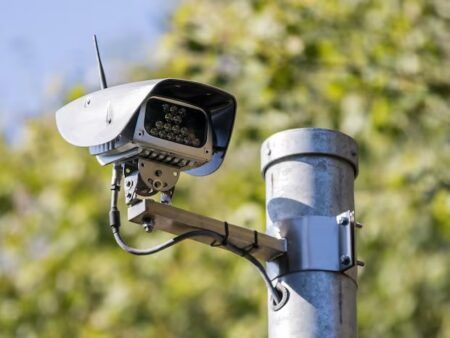
The transport authority is also scaling up deployment of Vivacity cameras, which use AI to differentiate between pedestrians, cyclists, wheelchair users, taxis and heavy goods vehicles. Through a data-sharing agreement with London boroughs, TfL will gain access to insights from over 1,000 cameras across the network.
“By harnessing data, technology and the benefits of new infrastructure, our 2030 vision will see a better, safer street network that is better suited to the needs of Londoners today and tomorrow,” says Carl Eddleston, director of streets and network operations at TfL.
Bus priority to reach 3,500 signals
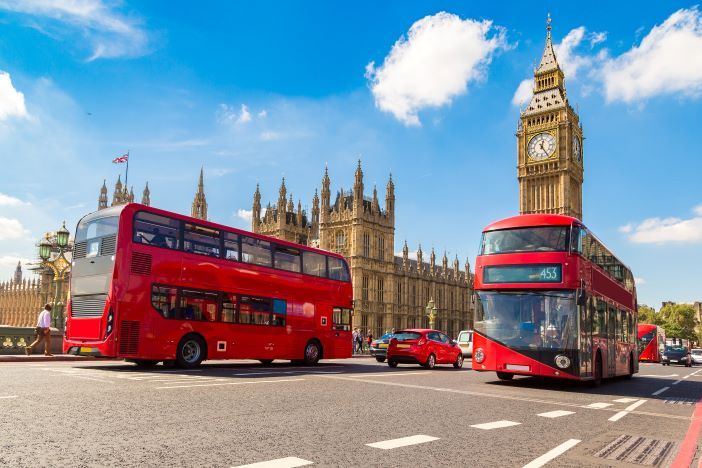
TfL currently manages 6,400 automated traffic signal junctions and pedestrian crossings, one of Europe’s largest networks. The organisation has equipped 2,080 signals with bus priority technology and aims to extend this to all bus route signals by 2030.
The strategy includes conducting signal timing reviews across entire bus routes rather than isolated sections, representing a shift in traffic management methodology. TfL is also expanding BusSense, a partnership programme with boroughs that coordinates roadworks to minimise disruption to bus services. Initial results showed a 3.5 per cent improvement in bus journey times in areas where the system has been deployed.
Lane rental expands to borough roads
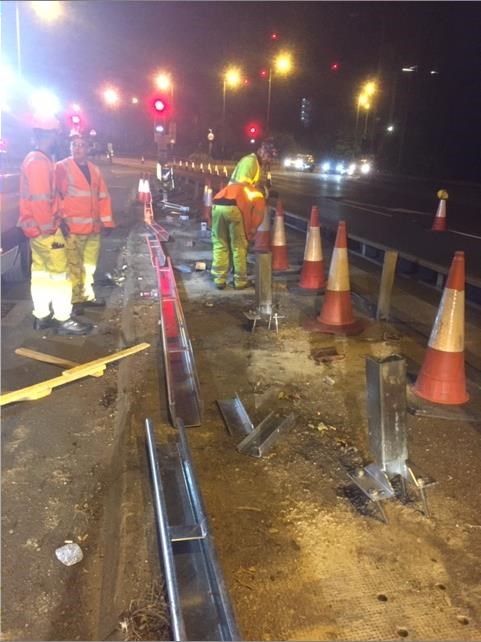
The lane rental scheme, which charges utility companies fees for excavating busy roads during peak periods, will be extended from TfL’s red routes to borough roads. As of January 2026, four boroughs – Camden, Enfield, Lambeth and Merton – have received Department for Transport approval for schemes, with 22 more boroughs progressing applications. The Government is devolving authority to the Mayor of London to approve lane rental schemes, streamlining the approval process.
Safety infrastructure forms another pillar of the plan, with TfL trialling near-miss detection cameras and working with boroughs to deploy road danger reduction technology. Since 2019, the number of people killed or seriously injured on London’s roads has fallen to the lowest level on record outside pandemic-affected years, whilst cycling journeys have increased by 43 per cent.
The strategy aligns with TfL’s forthcoming Vision Zero Action Plan 2, which aims to eliminate deaths and serious injuries on the capital’s roads. The transport authority confirmed £87m of funding this year for boroughs to invest in safer streets infrastructure, potentially delivering up to 95km of new cycle routes over three years, subject to future funding.
“This innovative new strategy will tackle the causes of congestion head on,” says Sadiq Khan, Mayor of London. “This bold new approach to managing the capital’s streets will ensure they work for everyone: harnessing cutting-edge technology and infrastructure to reduce congestion, keep Londoners safe, and speed up journey times on London’s bus network.”

Direct Vision Standard saves six lives annually
TfL’s Direct Vision Standard, which mandates visibility improvements for heavy goods vehicles, is estimated to save six lives annually on average. In 2024, requirements were enhanced to mandate three-star ratings or Progressive Safe System measures for all HGVs over 12 tonnes operating in Greater London.
The Safer Junctions programme has completed safety improvements at 46 junctions across the capital. The strategic cycle network has expanded to more than 431km in length, quadrupling since 2016, with 29 per cent of Londoners now living within 400m of the network.