



New guidance to help local highway authorities manage and maintain roadside technology has been launched at the Transport Technology Forum (TTF) Autumn Update in Birmingham.
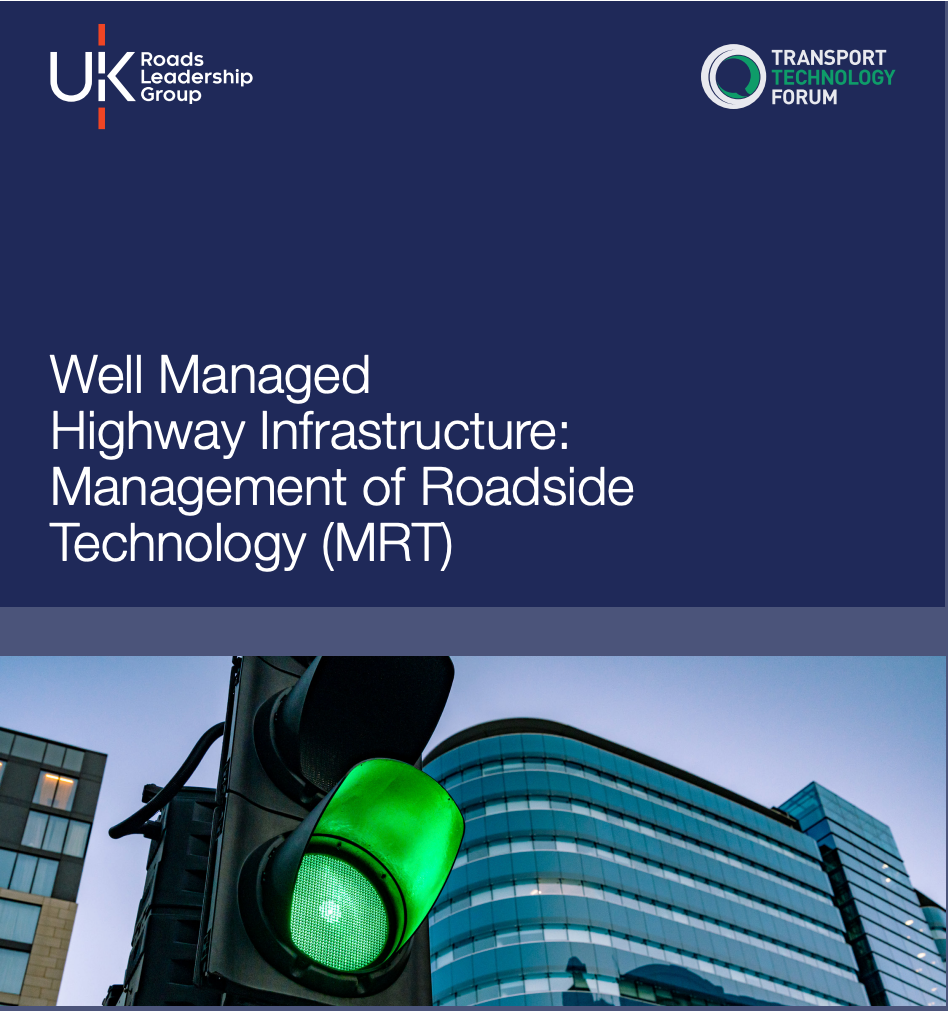
The Well Managed Highway Infrastructure: Management of Roadside Technology document was introduced by project leads Steve George and Gafoor Din on 17 November. It is a comprehensive rewrite of guidance first published in 2011 and updates the Management of Electronic Traffic Equipment Code of Practice.
Steve George, an intelligent transport systems (ITS) consultant, and Din, service manager for traffic control and information systems at Warwickshire County Council, led the work, drawing on expertise from local authorities and the supply chain. The TTF supported the project, which included a call for editorial group members and a wider consultation on the draft.
“Roadside technology has changed enormously since the previous code was published, and authorities need guidance which reflects the equipment they manage today and the decisions they face,” said George. “Our aim has been to bring practical experience together in one accessible resource, helping those responsible for these assets plan their maintenance, prioritise investment and make effective use of the funding available.”
Connected vehicles, AI and EV charging
The updated guidance reflects a roadside technology landscape that now includes connected vehicle services, artificial intelligence, electric vehicle (EV) charging and increasingly sophisticated communications networks.
It references services such as in-vehicle message signs and traffic signal priority for emergency vehicles. It also recommends that authorities adopt standardised digital traffic signal information through DCIS, the Digital Controller Interface Specification.
A dedicated section covers the management of EV charging infrastructure throughout its working life, including accessibility, software support and maintenance responsibilities.
The document also considers newer mobile and satellite communications, automated fault reporting and predictive maintenance. It stresses the importance of cybersecurity, human oversight of emerging technologies and ensuring roadside systems remain safe if communications fail.
Established equipment still covered
Established equipment, including traffic signals, pedestrian crossings, message signs and detection systems, remains within the scope of the guidance, alongside the newer infrastructure.
The review also identified data management and security, digital traffic regulation orders, DCIS, low emission zone systems and procurement as areas requiring updated coverage. The document is intended to complement the wider Well Managed Highway Infrastructure guidance and form part of the expanded Manual for Smart Streets.
“Installing technology is only part of the task: authorities also need to be able to operate, maintain and renew it effectively throughout its working life,” added Din. “This updated guidance gives them practical support in doing that. By bringing together the knowledge of local authorities and technology specialists, it can help councils make informed decisions and get lasting value from their investment.”
Differing approaches across authorities
The project was developed against a background of differing approaches and resources across local authorities. Some run rolling equipment replacement programmes, while others have no refurbishment programme in place. The guidance aims to support effective maintenance and operational practices across those different circumstances.
ITS World Congress in 2027
UK roadside technology will also be showcased to an international audience at next year’s ITS World Congress, which takes place at Birmingham’s NEC from 25 to 29 October 2027. The event will bring together authorities, suppliers and transport specialists from around the world.