

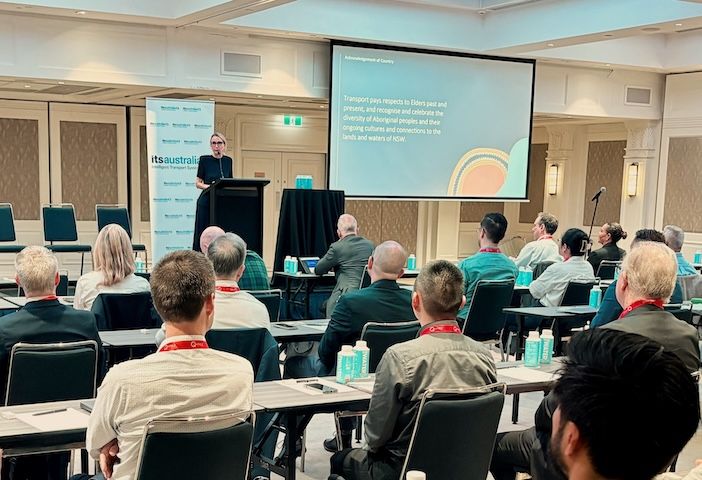
ITS Australia’s Roads, Tolling & Tech (RTT) 2026 conference has wrapped up in Sydney, with more than 30 speakers from government, industry and academia setting out the technologies and policy reforms they say will define the next phase of Australia’s road networks.
The two-day event brought together senior figures including Camilla Drover, deputy secretary for infrastructure projects and engineering; the Hon Paul Fletcher, former minister for communications, urban infrastructure, cities and the arts; and Professor David Hensher, founding director of the Institute of Transport and Logistics Studies (ITLS) at the University of Sydney.
A central theme running through proceedings was the transition from data collection to action — with speakers arguing the sector now needs to focus on turning the wealth of available network data into faster, more effective operational decisions.
Road user charging moves from theory to practice
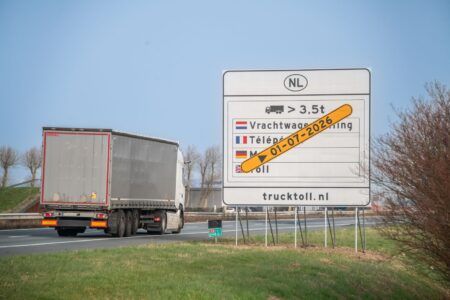
Road user charging reform dominated much of the agenda, with speakers agreeing that declining fuel excise revenues, rising electric vehicle (EV) uptake and shifting travel patterns are making reform increasingly unavoidable. Discussion moved away from whether change is needed toward how new pricing models can be introduced in a way that is fair, transparent and commands public confidence — with connected vehicle technologies identified as a key enabler.
Sweating the assets
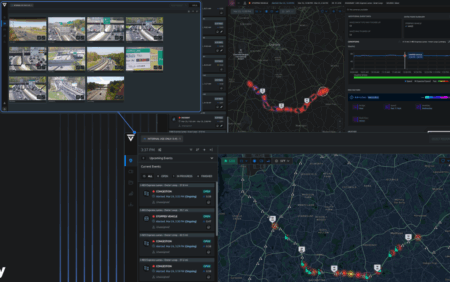
The conference also examined how operators can extract more value from existing road infrastructure without major new capital investment. AI-enabled analytics, digital twins and integrated data platforms were highlighted as tools already being used to improve incident detection, reduce congestion and enhance safety.
Resilience featured as a further priority, with speakers pointing to the need for closer integration between IT and operational technology (OT) teams as road systems become more complex and interconnected. Coordinated, data-led responses to disruptions were presented as essential to maintaining network performance.
On automation, the consensus was that progress will be governed by the pace of public trust rather than technical capability alone. Speakers also underlined the importance of national standards and cross-jurisdictional harmonisation as prerequisites for scaling innovation.
Transport for NSW, the official host state partner, said the event reinforced the value of industry collaboration. “The discussions over the last few days highlighted how rapidly technology is reshaping transport, from smarter road operations and safer motorways to more customer focused and sustainable network management,” said Adele Beachley, executive director SCATS at Transport for NSW. “These developments are critical to ensuring our transport systems are ready for the demands of the future.”
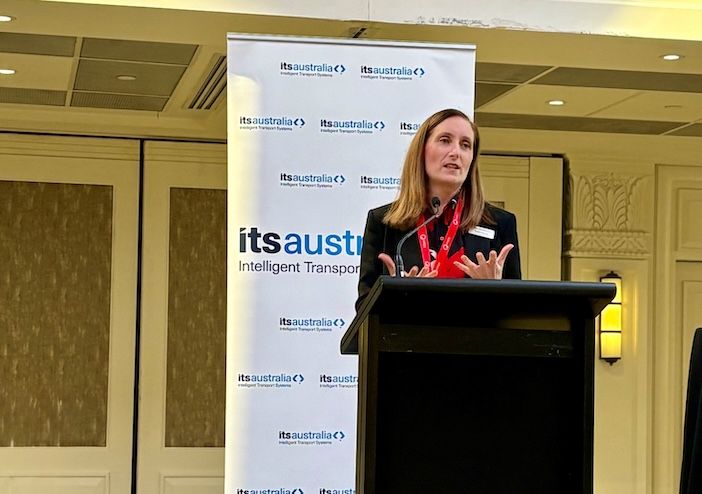
“Across two days, we heard a clear message: Australia has the capability, partnerships and technology to modernise how we manage and fund our road networks,” said Susan Harris, chief executive of ITS Australia. “The focus now must be on coordinated delivery and national consistency.”
Looking ahead to ISFO 2027
RTT 2026 is the final edition of the Roads, Tolling & Tech format. In 2027, the event will be replaced by the 5th International Symposium on Freeway and Tollway Operations (ISFO), which ITS Australia is hosting in partnership with the Transport Research Board. The symposium will bring together international leaders in road infrastructure, traffic management and tollway operations.