
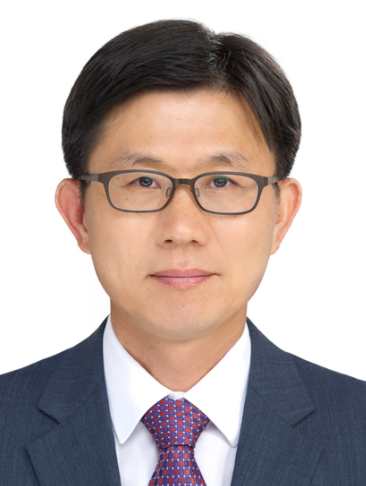
JongKi Lee, secretary general of the 2026 Gangneung ITS World Congress explains why a small coastal city is hosting the global event, what delegates will see on its roads, and how AI is shaping the agenda.
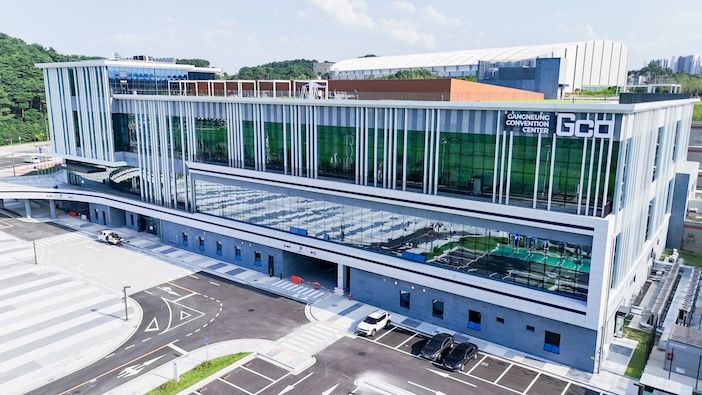
Next week the ITS World Congress opens at Gangneung Olympic Park on South Korea’s east coast. Previous congresses have been staged in major cities on other continents, but this year’s host is a smaller city of just over 200,000 residents, and the organisers intend to make that a key tenet of the event.
JongKi Lee, secretary general of the ITS World Congress 2026 and a leader at Korea Expressway Corporation, says preparations have gone to plan. At the close of pre-registration on 9 October, delegates from 91 countries had signed up. A total of 108 organisations and companies, 72 from Korea and 36 from overseas, will fill the exhibition hall.
“We are pleased to report that we have achieved our original targets for both participant registration and exhibitor participation,” he says.
A different kind of host
According to Lee, the theme of the congress — ‘Beyond Mobility, Connected World’ — reflects a wish to widen what transport means, from simply getting from one place to another to creating new value by connecting people, cities and ultimately the world.
“With advances in AI and hyperconnectivity, technologies such as autonomous driving, connected vehicles, and AI-powered traffic management are becoming increasingly interconnected in real time,” he says. “As a result, transportation is evolving into a vital urban ecosystem that shapes not only mobility itself, but also urban safety, the environment, tourism, the economy, and citizens’ quality of life.”
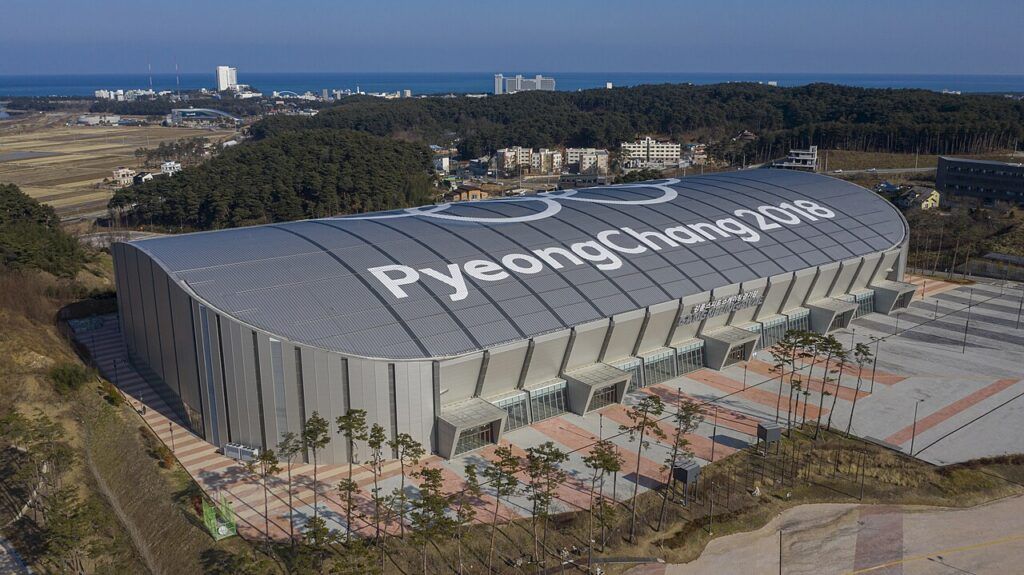
Gangneung is well placed to illustrate the impact that transportation systems can have upon a city – Lee describes it as a tourism-oriented location, with a large floating population, a fact that creates seasonal swings in visitor numbers, demanding very flexible traffic solutions. It also faces problems common to many smaller cities, such as an ageing population, and increasing numbers of vulnerable road users.
At the ITS World Congress solutions to these worldwide problems will be presented both in conference sessions and via technology demonstrations and technical tours, which will enable delegates to experience ITS infrastructure deployed in the city at first hand and to see solutions that other small cities could adopt. “We believe this Congress offers an excellent opportunity to see firsthand how ITS technologies are being applied not only in major metropolitan areas but also in the everyday lives of people in smaller cities,” says Lee.
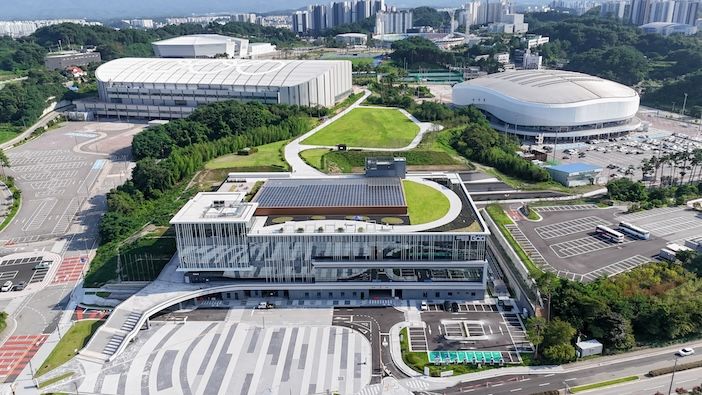
The congress will also show how ITS infrastructure can be scaled down from large cities to smaller urban centres. As Lee sees it, the larger ambition is to connect people and cities, and technology and society. “Ultimately, ‘Beyond Mobility’a is about creating better connections, not simply better mobility,” he says.
Putting the ethos of seamless transportation into practice for the congress itself the organising committee has built its transport plan for delegates around the major hubs. Shuttle buses will meet international arrivals at Incheon International Airport and Gimpo International Airport, and five routes within Gangneung will link accommodation, the convention centre and other key destinations.
Delegates will also be able to book taxis through K-MaaS, which is integrated into the official congress app and will let them travel to and from the venue to suit their own schedules and routes.
“I believe the central focus of this congress will be how ITS should evolve in the age of AI”
AI at the centre of the agenda
The programme covers automated driving and electric vehicles, smart infrastructure, mobility services, data-centric systems and policy, but one overarching technology is certain to be at the heart of many discussions “I believe the central focus of this congress will be how ITS should evolve in the age of AI,” says Lee. The theme of the ministerial roundtable, Transforming Future Mobility through AI-Powered ITS (Monday 19 October, 2:30pm) reflects this.
Lee expects the wider discussions throughout the week to cover how AI can expand the role of ITS, how transport data and digital infrastructure can be used more effectively, and how those advances turn into real gains in safety, efficiency and convenience for the public. “The aspect I most hope participants will pay attention to is how vehicles, road infrastructure, and traffic management systems work together through connectivity to deliver tangible improvements in transportation convenience and safety,” he says.
Gangneung offers live examples of ITS in action. The city gathers signal information from intersections across its network and feeds it real-time into commercial navigation services and autonomous vehicles, so drivers and vehicles can anticipate signals and cross junctions more smoothly. It also runs smart crosswalks and emergency vehicle signal pre-emption on public roads.
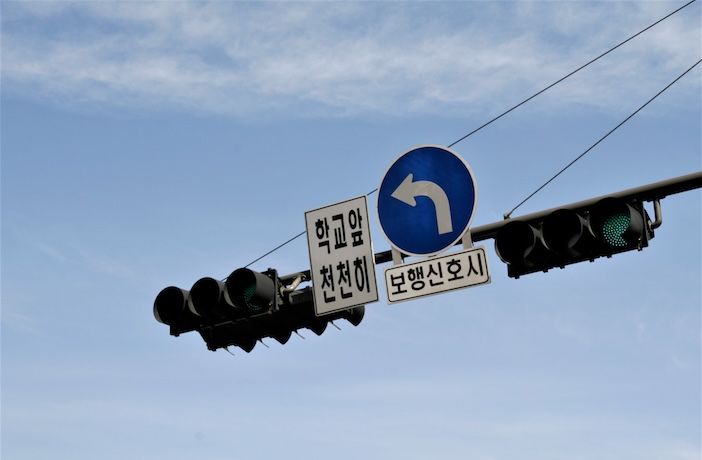
Lee sees this cooperative approach as the answer to a limit that automated driving cannot overcome alone. “Although autonomous driving technology is advancing rapidly, there are still limitations to what a vehicle can perceive using only its onboard sensors and AI,” he says.
Lee points to the fact that even if autonomous vehicles can safely handle more than 99% of situations, the real challenge lies in the remaining 1%, and ultimately in the 0.1% of cases that still carry risk. “Reducing these risks requires cooperative intelligent transport systems (C-ITS),” says Lee, “through which road infrastructure and traffic management systems work together to detect hazards that may lie outside a vehicle’s field of view, such as accidents, obstacles, and traffic signal information, and relay that information to vehicles.”
He encourages delegates to look closely at Gangneung’s road network and its urban information centre to see this principle in action.
Three regions, one congress
The ITS World Congress is organised jointly by Asia-Pacific, Europe and North America, with ITS Asia-Pacific, ERTICO and ITS America each taking part. A shared priority for the three regional secretariats has been to encourage governments, institutions, companies and experts in each region to take part, and to give them a global stage for their own technologies, policies and experience.
“Ultimately, I believe cooperation among the three regions is about bringing their respective technologies and expertise together under one global congress and turning that collective knowledge into further technological development, international cooperation, and cross-industry exchange,” says Lee. “We hope the Gangneung Congress will serve as a catalyst for expanding this cooperation even further.”
Planning a trip
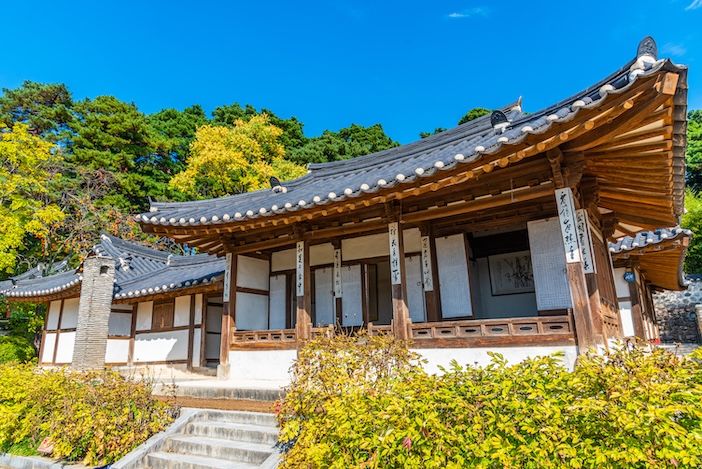
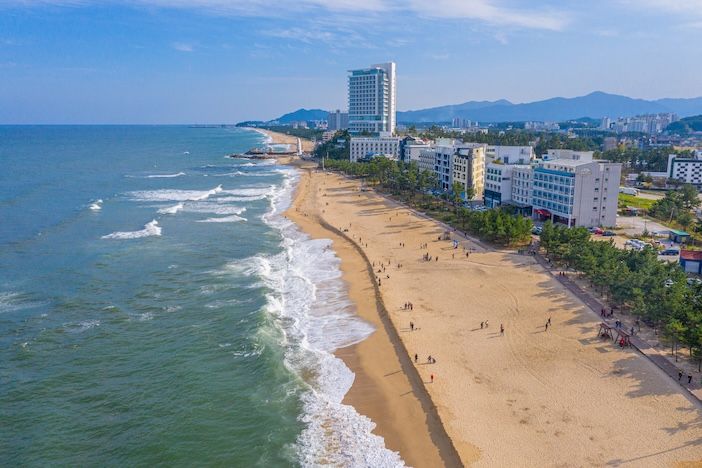
For first-time visitors, Lee hopes the trip will be about more than the congress itself. “Located on Korea’s east coast, Gangneung is a city blessed with outstanding natural scenery and a rich cultural heritage, including a long history and traditions, distinctive local cuisine, and a vibrant coffee culture,” he says.
October is a good month to come. He says the weather is clear and comfortable, and he encourages delegates to set aside time for the autumn scenery and the waters of the East Sea.
Korea’s public transit network makes Gangneung relatively easy to reach, but Lee advises delegates to check transport options and journey times in advance for trips between Gangneung Olympic Park, their accommodation, tourist attractions and other event venues. The organising committee, he says, is working to let participants focus on the congress while enjoying a comfortable and memorable stay.
“Above all, I hope the ITS World Congress will offer an opportunity not only to achieve technological and academic progress and foster business exchange, but also to discover Gangneung and Korean culture in a new light,” he says.