


In the UK, Low Traffic and Clean Air Neighborhoods are helping to promote active travel by improving safety for vulnerable road users, while also reducing air pollution and traffic congestion in residential areas. Lloyd Fuller takes a look at how local government authorities are overcoming the challenges of implementing and enforcing these schemes
One way in which traffic managers can improve safety for vulnerable road users (VRUs) is by reducing the volume of motorized traffic on roads. This is one of the principles behind the UK’s Low Traffic Neighbourhoods (LTNs). LTNs are defined in UK statutory guidance as “an area-wide traffic management scheme aimed at reducing or removing through traffic from residential areas” using signed restrictions or physical barriers.
Although LTNs were first conceived in the 1960s, they had a boom during Covid as reduced car use made them easy and popular to implement. Since then, while traffic levels have surged back, many LTNs have remained and more are planned, with improved safety, cleaner air, healthier transport options, and less-congested streets cited as benefits. However, post- Covid their popularity with the public has waned.
In the Royal Borough of Greenwich, in Southeast London LTNs form part of a wider active travel strategy. “We all know the benefits of active travel and how switching more journeys to sustainable transport is crucial in addressing the triple threat of climate change, congestion and clogged lungs,” says Councillor Averil Lekau, cabinet lead for climate action, sustainability and transport, Greenwich Council.
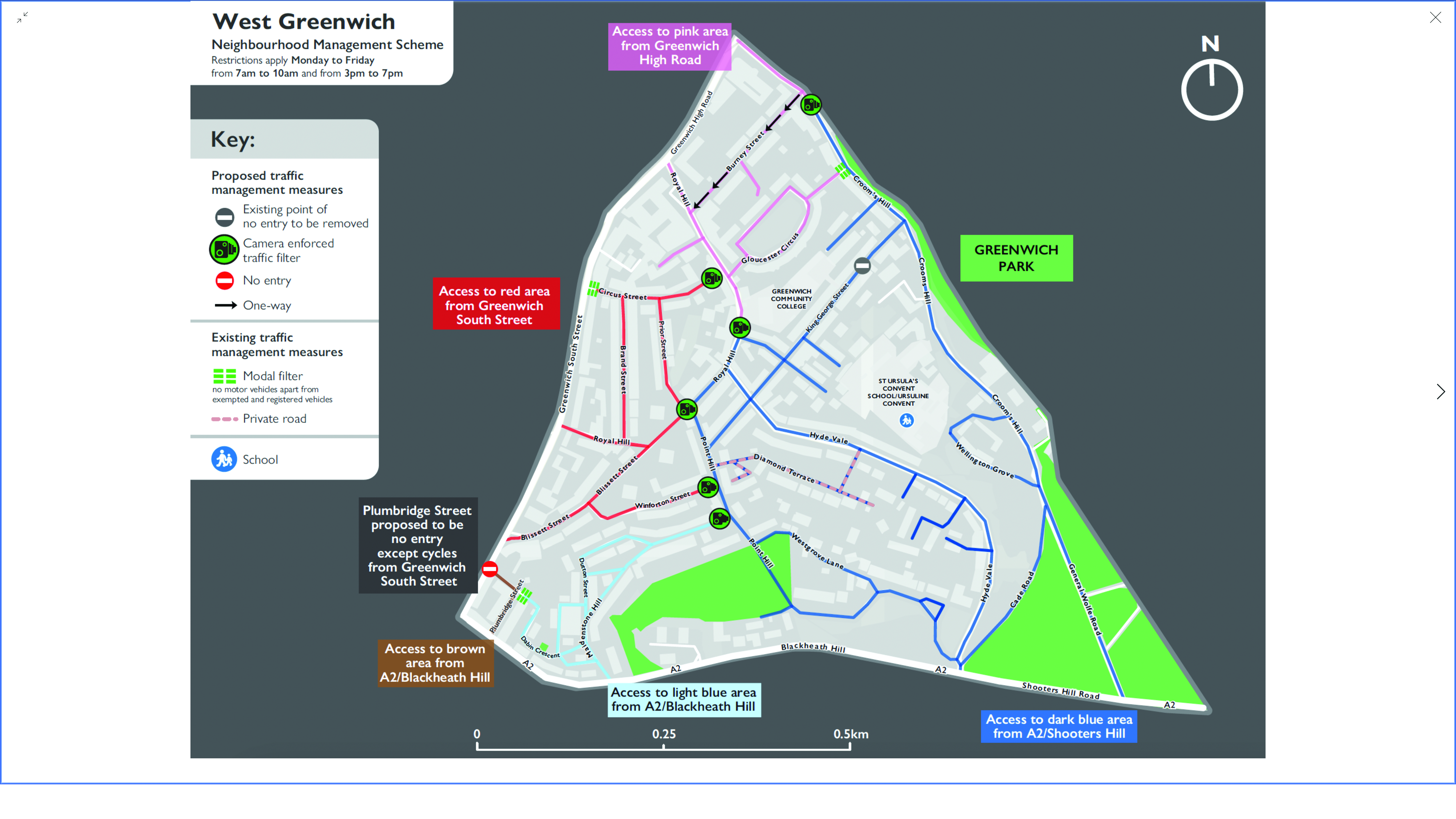
LTNs have recently been implemented across East and West Greenwich, using an experimental traffic order with an 18-month evaluation period, and costing the council £1 million, supplemented by £2.1 million from Transport for London. These areas face some of the borough’s worst congestion and air quality issues.
“Greenwich has the fourth highest rate in London of newborns being admitted to hospitals for respiratory tract illnesses,” says Lekau. “Air pollution in many parts of our borough is well above World Health Organization limits. We wouldn’t drink dirty water so why should we breathe dirty air?”
National guidance
The UK’s Department for Transport’s statutory guidance on implementing LTNs, published in March 2024, emphasizes the critical importance of community engagement.
“Research shows that, while (LTNs) can work, in the right place, and, crucially, where they are supported, too often local people don’t know enough about them and haven’t been able to have a say,” wrote then-Secretary of State for Transport Mark Harper in his foreword to the guidance. “Increasingly and frustratingly, we see larger and larger low-traffic schemes being proposed by some councils despite concerted opposition by local residents and by local businesses, and in some cases being removed again. This guidance makes it clear that should not happen.”

“Research shows that, while (LTNs) can work, in the right place, and, crucially, where they are supported, too often local people don’t know enough about them and haven’t been able to have a say”
In Greenwich the guidance has helped to inform the approach to implementation. “We’re committed to addressing residents’ concerns and to adjust our schemes where necessary,” says Lekau. “We are continuously monitoring the impact of our schemes and using data to inform our decision making.”
The statutory guidance outlines that good engagement should give the whole community the opportunity to be involved and be representative, stating: “an authority should be confident that a scheme is capable of carrying the support of a majority of the community before introducing it.”
In Greenwich the pilot represents part of the engagement. “It’s challenging. We are getting a lot of kickback, but I think it’s important to see how the experimental traffic order goes and give it some chance to get some results,” says Lekau.
Some of the approaches recommended in the guidance for engaging local communities in the roll out of LTNs include in-person events in the affected area, online engagement and information leaflets. “We are continuously monitoring the impact of our schemes and using data to inform our decision making,” says Lekau.
“It is one of our most important missions – to make it easier and safer and greener to move around the borough,” says Lekau. “Greenwich plays an active role in tackling climate crisis and improving environmental sustainability in line with our commitment to being carbon neutral by 2030.”
Designing effective LTNs
In Greenwich, LTNs work by dividing residential areas up into zones – vehicles are restricted from crossing between zones from 7am to 10am and 3pm to 7pm, Monday to Friday. The zones can still be accessed from major roads, but the scheme is designed to stop drivers using residential streets as short cuts – a problem that has been on the increase with the widespread use of sat navs.
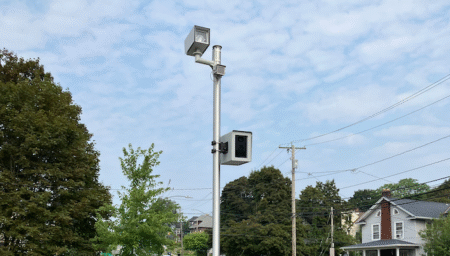
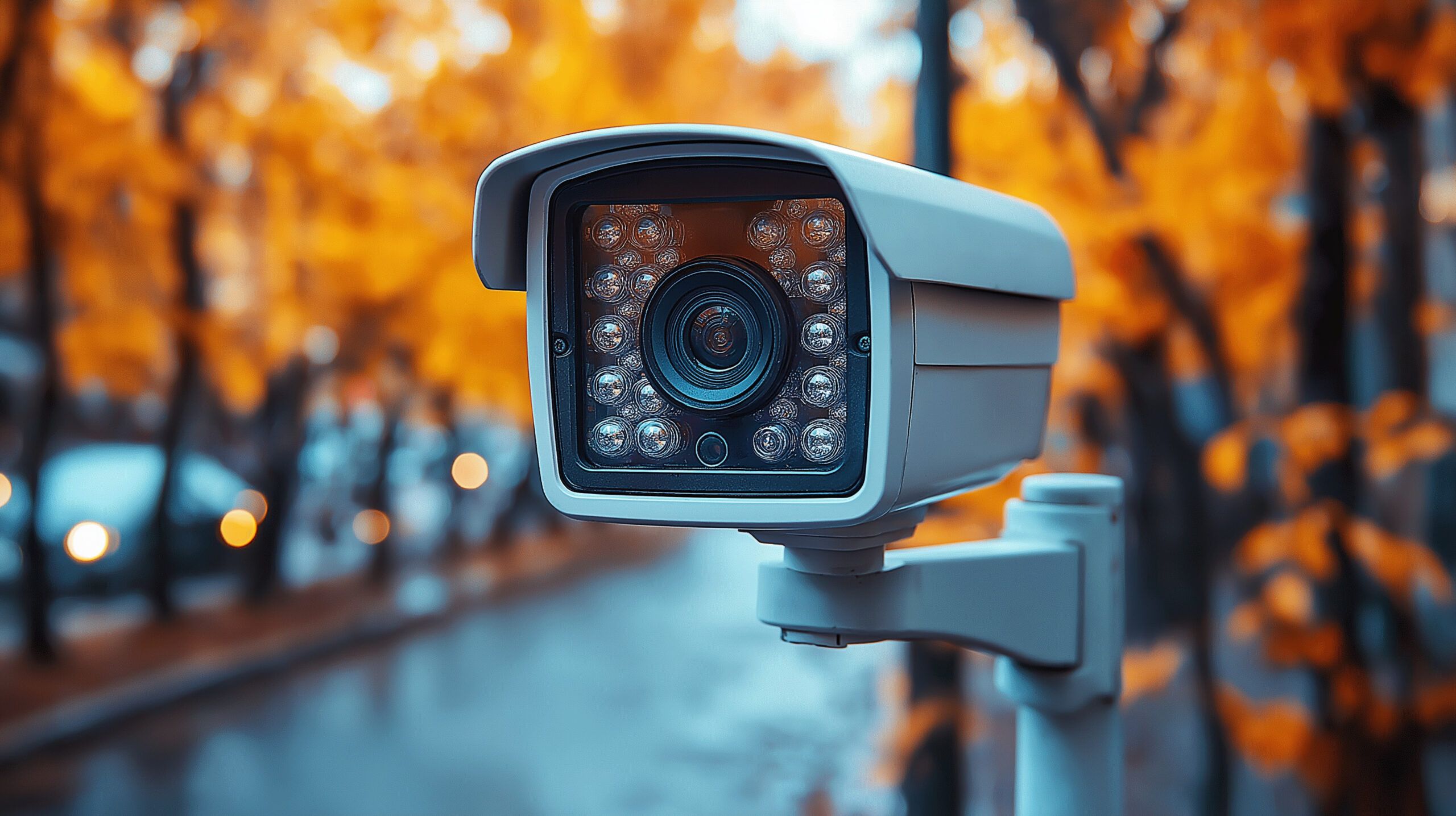
In order to avoid having physical barriers between zones, which have been cited as safety concerns, restricting access for emergency vehicles, and can cause inconvenience to local residents, drivers who violate these restrictions will face fines enforced by ALPR cameras.
In order to gain exemption from the scheme a special N1 permit must be used, which can only be obtained for essential services, taxis, professional carers and residents who are registered as disabled (Blue Badge holders). Residents can also apply for an individual circumstance exemption, however, there is no automatic exemption.
“We’re not targeting local drivers for fun. 40% of our residents do not even own a car, but areas such as East and West Greenwich are some of the worst affected by congestion and air pollution,” says Lekau.
The restrictions were implemented in response to concerns about traffic congestion in residential areas and anti-social behavior from motorists. However, enforcement was initially delayed as signage was cited as misleading, as a disability symbol was taken by some to mean automatic exemptions for all Blue Badge holders, when in fact only permit holders were exempt. These problems led to the start of the trial being postponed from November 2024 to January 2025.
The 18-month trial is also assessing claims from people living in nearby Charlton, who say they’ve experienced increased traffic volumes on their residential streets, including in the vicinity of a primary school.
Clean Air Neighbourhoods
On the other side of South London, Hammersmith & Fulham Council is also aiming to reduce traffic on residential streets, using ALPR camera enforcement to penalize non-residents who use roads as cut-throughs. Though the outcomes are similar to the LTN scheme in Greenwich, the Southwest London scheme uses different legislation and designates the enforced streets Clean Air Neighbourhoods (CANs), with a stated primary aim of reducing illness and deaths from pollution in the area.
Although the official primary focus is to reduce pollution, there are clear knock-on benefits for VRUs in reducing the number of vehicles, with the council taking the opportunity to implement other measures to promote active travel, these include enhanced pedestrian areas with anti-skid surfacing, new public seating and planters, additional cycle parking, and an investigation into upgrading pedestrian crossings.
The most recent CAN trial began in October 2024 in Hammersmith to tackle increasing congestion on Clancarty Road – a route being used as a shortcut to access the nearby Wandsworth Bridge Road. The 18-month trial builds on the framework established in two other successful trials in the area.
ALPR enforcement for the CANs is less restrictive than Greenwich’s LTN – in Hammersmith all vehicles registered to addresses in the borough can pass cameras without penalty, with no special permit needed. Residents can also gain temporary permits for visitors using the RingGo app and special provisions exist for taxis, businesses, and essential services. As with the LTN, access is still possible to all streets using designated routes.
The ANPR/ALPR technology in Hammersmith is being provided by Videalert cameras. According to the council documentation, these “ONVIF compliant HD cameras capture the highest quality images to minimize discard-rates, increase productivity and help reduce the number of appeals.”
The cameras connect to a DfT Manufacturer Certified hosted platform which integrates with the council’s permit systems to ensure that resident and permitted vehicles can pass.
According to council reports, CANs in the borough have achieved 15,000 fewer cars per day using residential streets as cut-throughs, an estimated 1.9 tonnes reduction in carbon emissions daily and an estimated 1.35kg reduction in nitrogen oxide (NOx) daily.
These improvements address what the council describes as “the decades-old and seemingly unmanageable traffic problem in South Fulham” which had “been made worse in recent years by increased use of satnavs.”
The new schemes in South London, whether designated as Low Traffic Neighbourhood or Clean Air Neighbourhoods, show how enforcement can help to make streets safer for VRUs, while also having additional benefits in reducing congestion and pollution in order to protect local residents.
Beyond LTNs
LTNs alone are not enough to promote active travel for longer journeys, which are likely to take citizens out of the relative safety of an LTN. To address this Greenwich is investing heavily in cycling infrastructure and promotion.
The South London borough has increased its cycle network “quite considerably,” according to Councillor Averil Lekau, cabinet lead for climate action, sustainability and transport, Greenwich Council, with new routes and “above London average cycle training funding.”
Practical initiatives include free cycle training, a ‘try before you bike’ scheme run by Peddle My Wheels and expanded cycle parking options. “We’ve committed to increasing the availability of cycle parking in the borough and reducing waiting lists for cycle hangars in our local implementation plan,” says Lekau.
Greenwich’s active travel vision also extends to public transportation, with the council working closely with Transport for London (TfL) on multiple projects to connect bicyclists with other modes. These include bus rapid transit connectivity, improved bus infrastructure, and town center improvements.